











Weight loss diets aren’t anything new. From cabbage soup to SlimFast shakes, Special K to WeightWatchers, consumers have long searched for the quickest route to a smaller waistline.
But while previous dieting methods relied heavily on self-discipline, a new generation of weight-loss solutions have hit the market, one which is changing the relationship people have with food itself.
Glucagon-like peptide-1, known more commonly as GLP-1s, are helping millions of people lose weight by reducing appetite, increasing feelings of fullness, and dampening cravings. For many users, the foods they once reached for automatically no longer hold the same appeal.
“GLP-1 medications do far more than suppress appetite,” says Greg Holgate, business development manager ACI Group. “These medications can fundamentally interrupt long-established eating behaviours, reward responses, and internal hunger cues.
“For many consumers, foods they once craved suddenly become unappealing, portion sizes shrink dramatically and eating itself becomes less emotionally rewarding.”
That shift is sending ripples through the food and drink industry. As consumers eat less and become more selective about what they consume, manufacturers are being forced to rethink everything from portion sizes and nutritional credentials to product innovation and marketing.
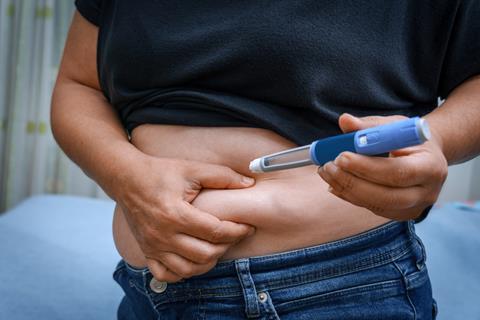
“Many GLP-1 users experience a reduced appetite and fewer cravings, or less ‘food noise’, which is beginning to influence how they eat and shop,” explains Hannah Sibley, product and innovation director of Aryzta UK & Ireland. “Smaller portions can become more appealing, while impulse purchases and spending on some treat categories may decline.”
The Food Foundation found that nearly 7% of the UK population are using or have used GLP-1 drugs, with a further 8% of adults considering using them, equating to 8.3 million people in total.
With the number of GLP-1 users set to rise further due to the development of pills which eliminate the need for injections, the question is no longer will these drugs have an impact on bakery but rather what will this impact look like? And how can the industry respond?
“GLP-1s aren’t shrinking appetites for bakery, they’re sharpening them,” proclaims Holly Holt, brand manager at Lantmännen Unibake UK. “While these medications are undoubtedly changing how some consumers approach food, the bigger behavioural shift is towards more intentional eating rather than simply eating less. As a result, consumers are becoming increasingly selective, creating new opportunities across both the sweet and savoury bakery category.”
The good news is many experts see the rise of weight-loss drugs as an opportunity for bakery so long as they’re willing to adapt to consumer desires and demands. Those which rely on larger portions or volumes could struggle, according to some, while many recognise the multi-faceted place baked goods have in consumers’ lives from everyday staples to celebratory treats.
For bakery operators then, it’s about ensuring products earn a coveted place on the plate.
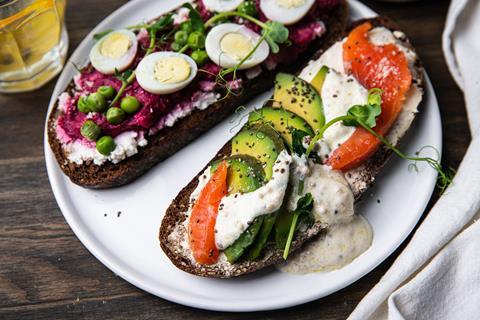
“Rather than removing indulgence from the diet, consumers are more discerning. Every purchase must justify itself, whether through nutritional value, ingredient quality, craftsmanship or the overall eating experience,” Holt adds.
It’s part of a wider health movement which extends beyond GLP-1 use, she notes, highlighting that they are “accelerating” the trends already underway rather than creating entirely new ones.
Fibre and protein take centre stage
This is evident when it comes to macronutrients, particularly fibre and protein. With the calorie intake of GLP-1 users drastically decreased, it’s important to ensure the body is getting all the nutrients it needs to maintain or improve healthy functions.
What is needed will vary. Ingredients supplier Ingredion notes that the GLP-1 era has given rise to multiple distinct health-conscious consumer types, each with shared, yet nuanced, nutritional needs. These are that:
- Consumers currently using GLP-1 therapies face unique challenges, including appetite suppression which can make meeting nutritional requirements difficult, potential gastrointestinal side effects, and concerns about maintaining muscle mass during weight loss
- Consumers exiting GLP-1 therapies are looking for maintenance solutions to sustain their weight loss without medication. Although these drugs are intended for long-term use, real-world discontinuation rates are high – 39% go off the meds within three months and 50% within 12 months [The Lancet Regional Health - Europe, 2024]
- Consumers inspired to manage their health through diet and exercise alone are adopting GLP-1-inspired eating patterns focused on portion control, fibre, and protein intake and metabolic health without pharmaceutical intervention.
Although consumers are looking for products which are aligned with their wellness goals, “there’s limited enthusiasm for labels explicitly stating ‘GLP-1 friendly’”, according to Philippa Knight, marketing director at Puratos. As such, highlighting the fibre or protein content should be the focus.
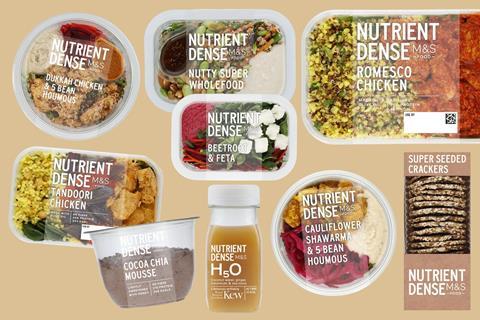
Take M&S’ Nutrient Dense range, for example. Launched in January 2026, it spans categories from ready meals to juices, snacks, on-the-go breakfast and lunch, and bakery with a focus on whole-food, store-cupboard ingredients which are rich in fibre, vitamins, and minerals. Although GLP-1 users were highlighted as a potential audience for the products at launch, it’s not stated on pack. Instead, the number of plants, calories, fibre, and protein content are put front and centre.
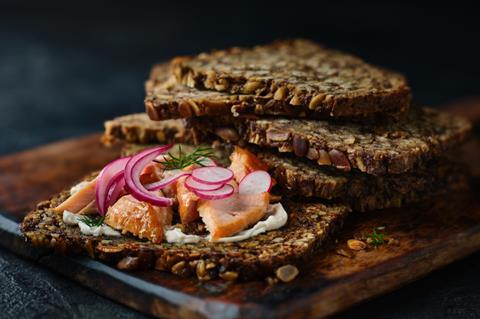
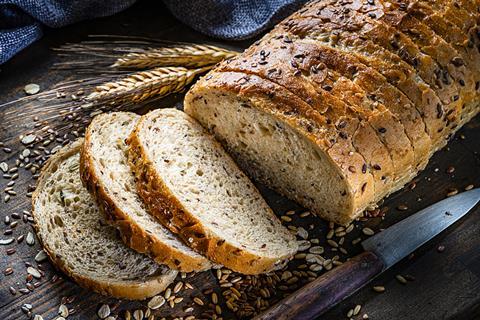
Within the range sits a Super Seedy Oaty Sliced Bread made from a mix of linseeds, sunflower and pumpkin seeds. The loaf is high in fibre with 7g per slice, plus 7g protein and 166 calories.
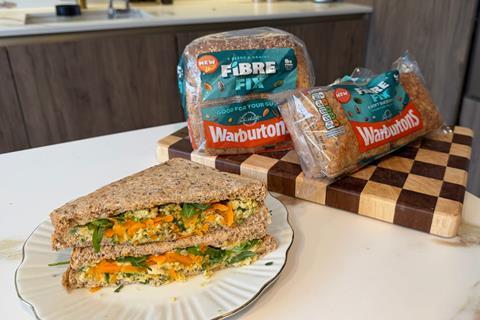
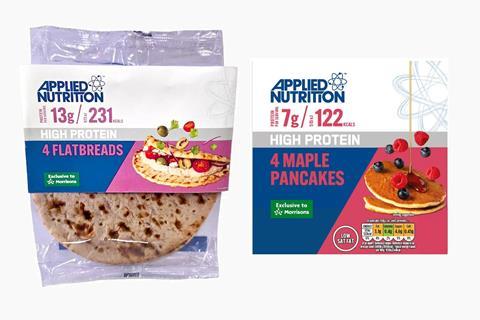
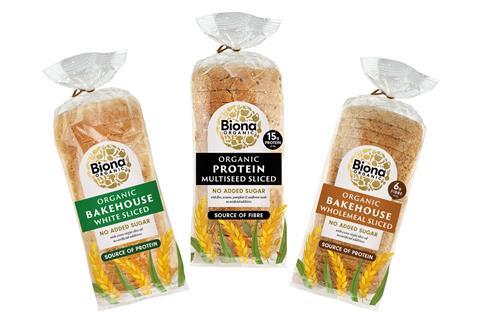
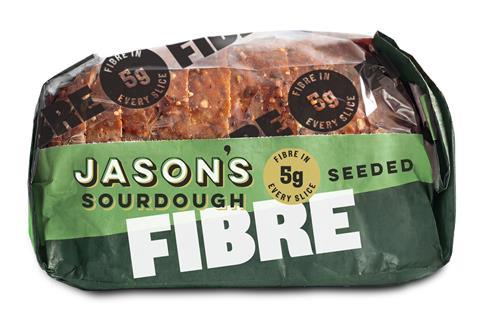
This is just one example of NPD from the past year leaning into increased focus on protein and fibre, with the Warburtons Fibre Fix range, Biona sliced loaves, and Applied Nutrition’s line-up of high protein flatbreads, pancakes, and more serving up other examples. Indeed, just this week Jason’s Sourdough added to its ‘bread with benefits’ range with Fibre rolls and sliced loaf which boast 8g of fibre per roll and 5g per slice of bread.
Notably, fibre outpaced protein claims in bakery between January 2021 and April 2025, according to research from ingredient distributor and supply chain specialist ACI Group and GoodMills. It found that while protein continues to dominate on-pack claims, fibre has marginally outpaced it in product launches, with 194 ‘source of fibre’ or ‘high fibre’ launches compared to 183 high-protein ones over the past five years. Products containing 3g of fibre per 100g are eligible to use the ‘source of’ label while those with 6g per 100g can state that they are ‘high in fibre’.
These benefits have wider market appeal, notes Dan Jones, marketing manager at British Bakels. “Among UK consumers generally, wholewheat, high fibre and high protein are among the front-of-pack claims attracting interest, at 28%, 25%, and 10% respectively,” he says.
The opportunity for bakers, therefore, is to “build on familiar, enjoyable products rather than create ranges that feel overly specialist”. “Taste should remain the starting point, with portion size and nutritional value adding further relevance for both GLP-1 users and the wider market,” Jones adds.
Who are the winners and losers?
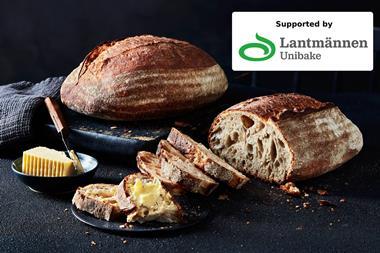
Bread seems to fit more naturally into narratives around healthier eating, particularly loaves which feature a diverse range of grains and seeds with decent levels of fibre and protein to match.
Puratos’ Knight says those on GLP-1s may buy certain bakery items less often, noting a decline of between 19% and 42% depending on the product, although a consumer study from Food Innovation Solutions also showed a 19% increase in the purchase of breads with health benefit positionings.
Jason Geary, master baker at Jason’s Sourdough, believes the impact on bakery as a result of GLP-1s is likely to be lower volumes “rather than category abandonment”. However, he anticipates bread will “prove relatively resilient compared with more indulgent food categories”.
“While purchase volumes may soften as appetites decrease, bread remains a household essential with broad appeal, making it less vulnerable than more optional bakery categories,” Geary says. “Cakes, pastries, and sweet treats, however, may face greater pressure as consumers become more intentional about when and why they indulge.”
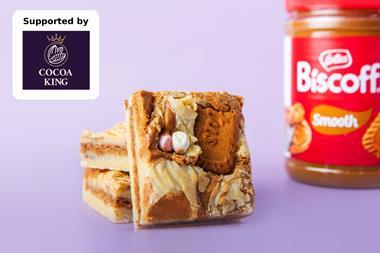
It’s worth noting that the sweet bakery category has weathered many a challenge from the war on sugar to HFSS, also proving itself to be resilient. And, of course, there will always be a market for indulgent products thanks to the emotional benefits, social connections, and comfort they can offer.
For those concerned about health but still wanting a sweet treat, Jones at British Bakels notes the “opportunity may lie in offering greater choice in portion sizes rather than removing indulgence”. “Smaller cakes, pastries or doughnuts can still deliver the flavour, texture and quality consumers expect while fitting more easily into reduced eating occasions,” he adds.

“Smaller cakes, pastries or doughnuts can still deliver the flavour, texture and quality consumers expect while fitting more easily into reduced eating occasions”
There’s also the “health by stealth” option which delivers improved nutritional benefits on existing products without shouting about it. For example, increasing the fibre content of a muffin.
“Health continues to represent one of the biggest long-term opportunities for the bakery sector, but today’s consumers expect healthier products to taste just as good as the originals,” says Simon Curran, head of technical bakery and innovation at Whitworth Bros.
Compromise, particularly where taste is concerned, is unacceptable. “Ultimately, the future of healthier bakery will be defined by products that make better choices feel effortless, rather than asking consumers to compromise,” Curran adds.
It’s a tactic which could be better utilised by in-store bakeries (ISB), believes Knight at Puratos, who says ISB has “become off-limits” for many GLP-1 users. But, she adds, there is an opportunity to win them over with “visible nutritional cues and greater ingredient transparency”.
“By making digestive health claims and nutritional properties more obvious, bakery brands can help challenge these perceptions around indulgence,” she adds.
Developing products in a GLP-1 world
There’s a lot to consider when developing products then. And that’s before operators have tackled the manufacturing challenges that arise.
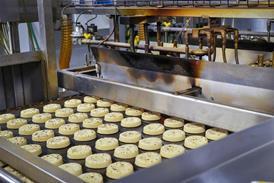
David Cooper, president of the Association of Bakery Ingredients Manufacturers (ABIM), highlights that high levels of seeds, grains or alternative flours can challenge depositor accuracy, conveyor flow and slicing consistency, while protein-enriched doughs absorb moisture differently. The requirement for smaller portions sizes also impacts ingredients suppliers, as smaller formats require changes to batch sizes, premix quantities, and packing size changes, he adds.
Greg Holgate at ACI Group, meanwhile, urges manufacturers to “rethink indulgence itself”, noting that the next generation of products may need to deliver satisfaction without hyper-stimulation.
“That means combining pleasure, satiety, nutrient density, slower energy release, and sensory completeness in ways that support appetite stability rather than override it,” Holgate explains. He points to the idea of “structured satisfaction” – the ability of a food product to deliver fullness, pleasure and sensory satisfaction in portions that are manageable without encouraging overconsumption. Particularly important for consumers weaning off GLP-1s.
“Importantly, this goes beyond simple satiety. It combines physiological response in the gut with the behavioural and emotional experience of eating. A product might meet all the right nutritional targets on paper, but if it leaves consumers psychologically unsatisfied or prone to rebound hunger, it fails the real-world test of sustainable eating behaviour,” he adds.
With GLP-1s still in their relative infancy, the impact on the nation’s food and drink habits has yet to be fully realised. Some consumers may be eating less as a result, but they still want products that deliver enjoyment, comfort, convenience, and nutrition – something the baking industry is well placed to meet. And, if the past is anything to go by, bakery is likely to prove remarkably resilient in the face of changing health trends.
ADVERTISEMENT: ARYZTA
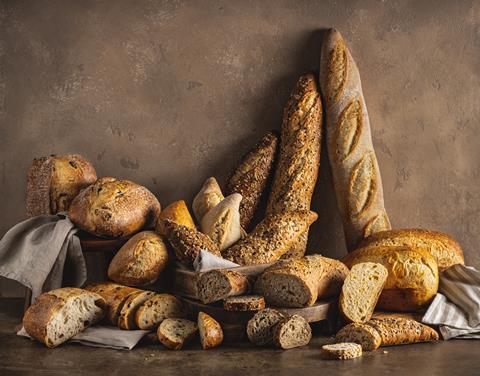
In store bakery supplier, Aryzta is meeting the needs of grocery, retail convenience and foodservice businesses across the country. The brand has developed and enhanced its portfolio of premium products, all of which deliver value and growth for its partners and customers.
We work closely with our partners to develop and manufacture private label products with the finest ingredients to meet their consumer’s needs. With bakeries and NPD expertise across Europe we are experts in creating a wide range of bakery products including Speciality Bread & Rolls, French Breads, Viennoiserie, Danish Pastry & many more.
Against a fluctuating economic landscape, consumers are demanding better access to fresh and healthy breads, so they have the choice to recreate much loved recipes, that they’d typically find whilst eating out, at home.
We’re also seeing an increase in demand for bigger loaf formats across our portfolio. Linking back to the point made previously, shoppers are expanding their bread consumption across more at home occasions, requiring a larger quantity.
Find out more at Aryzta’s website: www.aryzta.co.uk/sourdough/










No comments yet