










Scotland’s food and drink sector must accelerate action to cut emissions and strengthen resilience, according to a newly published Climate Transition Plan.
Developed through the Scotland Food & Drink Partnership’s Net Zero Programme, the plan provides a practical, industry-wide route towards Scotland’s legally binding 2045 net zero target, setting out priority actions for businesses and recommendations for government on the conditions needed to enable progress.
Scotland’s food and drink sector generates £19bn in annual turnover, contributes £7bn in GVA, and supports around 115,000 jobs. However, firms are facing increasing exposure to climate and market pressures. Extreme weather, water scarcity and flooding are disrupting production and supply chains, while rising energy and input costs are adding to business costs and uncertainty.
Informed through engagement with industry, government, academia and advisory bodies, the Climate Transition Plan looks across the entire supply chain, from field to point of delivery. It finds that many of the technologies and practices needed to reduce emissions are already proven, with the priority now being to scale them in ways that are commercially viable and practical for businesses, while improving efficiency and resilience.
The four areas identified as most important for strengthening resilience include finance and investment, energy and infrastructure, workforce and skills, and on-farm and product diversification.
In addition, the plan sets out what food and drink businesses can do to reduce emissions, lower exposure to volatility and strengthen long-term competitiveness. It also calls for government action to remove some of the structural barriers to progress, including improving energy infrastructure and access to trusted technical and advisory support for SMEs and primary producers.
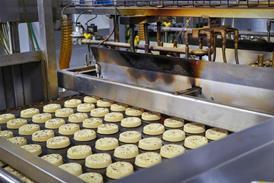
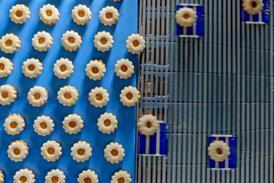
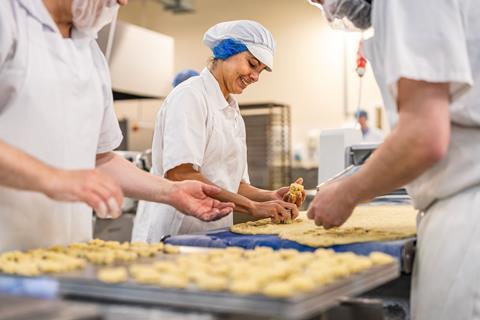
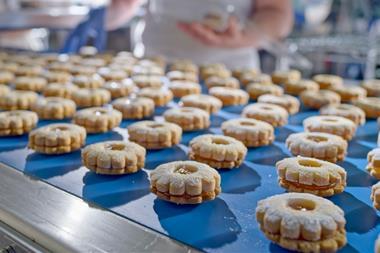
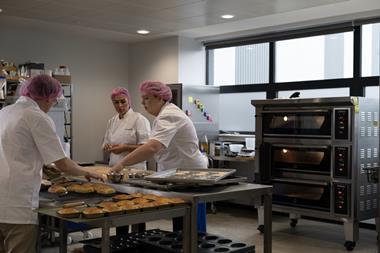
A Scottish bakery case study highlighted by the Net Zero Programme is Shortbread House of Edinburgh. The family-run handmade shortbread specialist was given financial support to commission consultancy firm Arthan to produce a detailed chart modelling its expected trajectory of net emissions down to 2045. This helped them visualise the scope of work required towards net zero.
“Scotland’s food and drink businesses are already taking action, but the operating environment is changing quickly,” commented Iain Clunie, programme director of Scotland Food & Drink’s Net Zero Commitment. “This plan provides a shared route forward, identifying where businesses can act and where wider conditions need to improve to support progress.”
The full Climate Transition Plan can be viewed here.







No comments yet