


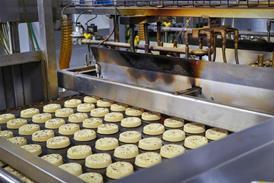









Greggs is considering closing four of its manufacturing sites over a two-and-a-half-year period, putting around 740 roles at risk of redundancy.
In a Q3 trading update published this morning (30 September), the bakery chain revealed it had launched a consultation on the proposed relocation and consolidation of some of its manufacturing and packing activity to fewer sites, as well as sourcing a small number of products from specialist suppliers.
It said this was necessary to ensure it continued to meet capacity requirements for future growth in the most cost-effective manner.
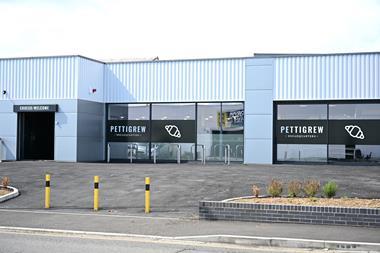
The proposed site closures include at Enfield in North London, North Lakes near Penrith in Cumbria, Pettigrews in Kelso, Scotland, and Seaham in County Durham. Distribution operations at Enfield would remain unchanged, noted Greggs. Manufacturing at Treforest near Cardiff in Wales was also to be ended whilst the site would continue operating as a distribution centre.
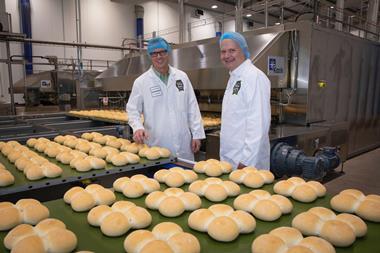
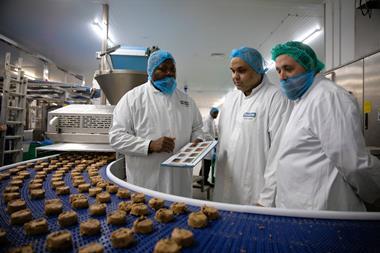
Other changes in the proposals include reducing the range of products manufactured at Clydesmill and Manchester sites, and ceasing production of tinned bread at Gosforth. If fully implemented following consultation, Greggs would end up with manufacturing operations focused across six sites: Clydesmill, Gosforth, Balliol, Leeds, Manchester and its brand new facility in Derby.
“Greggs manufacturing and logistics network remains a key strength of the business, and these proposals are intended to strengthen our manufacturing network, improve efficiency and ensure we remain well placed for the future while continuing to deliver the quality, value and service our customers expect,” commented Greggs CEO Roisin Currie.
She confirmed the collective consultation, working with trade unions and employee representatives of those affected, would last a minimum of 45 days before making any firm decisions. “We do not expect there to be any impact at all until Q2 2027 at the earliest,” added Currie.
Greggs revealed that the proposed manufacturing consolidation would result in cash costs in the region of £60m, comprising around £40m capex together with disruption costs and redundancy payments. It is anticipating an annual saving in pre-tax operating costs of roughly £20m, which would be realised across the 2028 and 2029 financial years.
The company is meanwhile building new national distribution centres in Derby and Kettering to support capacity for its target of 3,500 shops. Construction is said to be progressing well, with the Derby site expected to commence use of frozen storage space and picking activity in the final quarter, alongside commissioning a new sweet product production line.
The Kettering facility will be operational in 2027, Greggs said, with increased automation enabling upstream picking of chilled and ambient goods which will release capacity of its existing radial distribution centres.

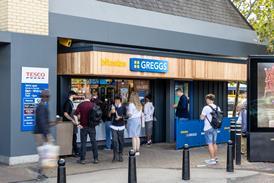
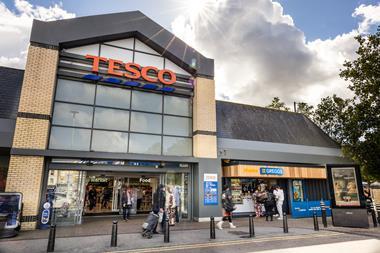
In the year to date, the bakery chain has increased its estate by 57 shops to have a total of 2,796 trading locations (comprising 2,157 company-managed shops and 639 franchised units) as of 26 September. Among the new openings were a first supermarket ‘bitesized Greggs’ at Tesco Southwark Superstore and a 50th drive-thru site, in Sunderland.
Greggs said it was expecting between 100 and 110 net new openings during 2026, with the ‘Greggs Express’ self-service concept continuing to be tested in franchised locations and two more planned for this year to join the 10 currently installed.
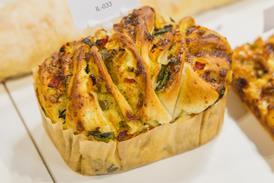
In terms of trading performance, Greggs delivered 7.7% revenue growth in Q3 2026 whilst like-for-like sales in company-managed stores rose by 3.4% compared to the same period last year. Trading improved across the quarter due to the successful launch of new products and return of the Steak & Stilton Bake, as well as more settled weather in August and September, noted the company. Year-to-date total sales are up 7.4% with LFL sales up 2.6%.
“Greggs continues to make progress despite challenging market conditions by further evolving its product offer and making the brand even more convenient for a wider range of customers through disciplined estate expansion,” said the company. “Our proposals to reshape our manufacturing footprint reflect the evolution of the business and our focus on remaining the customer’s number one choice for value in the market.”




No comments yet