











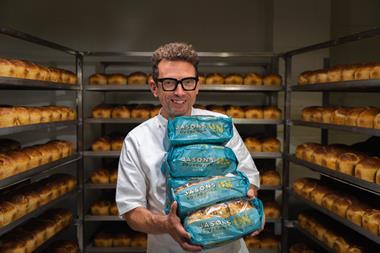
Sales and profit have continued to soar at Geary’s Bakeries thanks to its flagship bread brand Jason’s Sourdough.
Having recorded a 37.5% increase in sales the year prior, the Leicester-based manufacturer saw growth accelerate even further to 40%, hitting revenues of £128.6m for the 53 weeks to 2 January 2026.
Jason’s Sourdough, which leapfrogged Kingsmill into third place in the UK bread rankings last year, was once again the chief driver behind the continued significant growth at Geary’s.
“Premium artisan bread has continued to grow rapidly, with consumers recognising the quality, innovation and cleaner/fewer ingredients that Jason’s Sourdough has brought to the category,” the business wrote in its financial report.
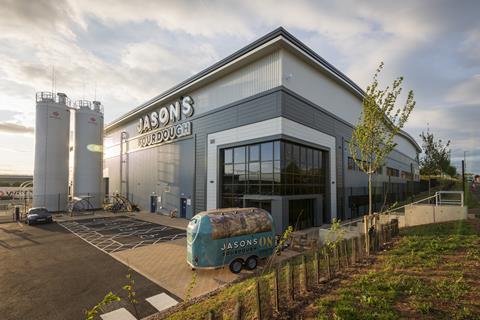
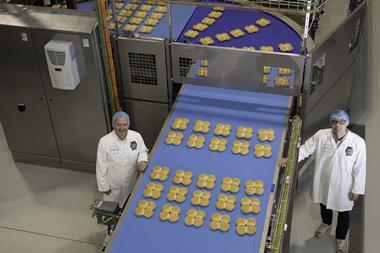
To meet growing demand for the Jason’s Sourdough range and support future growth expectations, Geary’s completed a £37m investment during the period on a third production facility located over the road from its existing bakery in Glenfield.
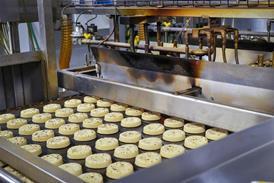
The increased penetration of the brand was supported by its first TV ad campaign, with rising brand awareness enabling the launch of Jason’s Sourdough Crumpets among other NPD. The crumpets have since been named a finalist in the New Bakery Product of the Year category at the Baking Industry Awards 2026.
Geary’s noted that it has also invested in its people across supply chain, production, product development, marketing, and sales to continue the growth aspirations of the brand – employee numbers have jumped from 546 to 841. Traditional bakery skills are a focus too, supported by an in-house baking apprenticeship scheme.
As a result of above growth, the company’s post-tax profit rose 12% to £13.2m while gross profit margin improved slightly from 32% to 32.9%.
It said that, whereby it was embracing technology and automation more than ever, it will never take shortcuts. “From day one to where we are now, we’ve not shortened the process,” fourth-generation master baker Jason Geary told British Baker during a recent exclusive interview.
The company also highlighted its ability to pass on cost inflation in a timely manner as it worked to ensure it can mitigate this through taking sustainable long-term decisions rather than prioritising short-term gains.
”These results demonstrate that consumers are prioritising quality products that deliver genuine value, particularly when they offer the combination of great taste, quality ingredients and versatility that fits around modern lifestyles,” commented Geary.





No comments yet