










Trade bodies have welcomed the UK’s new prime minster Andy Burnham, whilst raising issues in the baking industry they hope he and his cabinet will address.
The former mayor of Greater Manchester officially replaced Keir Starmer on Monday (20 July). In his first speech on the steps of 10 Downing Street, Burnham pledged to deliver a “new plan for Britain” over the next decade including help with the cost of living.
In response to Burnham’s appointment and the opportunities that may present for reform, trade bodies issued the following comments:

Federation of Bakers, chief executive Andrew Pyne
“As the new Prime Minister starts to lay out his 10-year plan, the Federation of Bakers (FOB) asks the Government to support the essential, energy-intensive food sector that bakery is and recognises it as a critical part of the UK’s food infrastructure.
There are a variety of support measures that would be of immediate benefit, namely targeted energy-cost relief, alongside practical support for the decarbonisation and electrification of this vital industry. The FOB would also welcome relief from further regulatory burdens on food manufacturing.
We look forward to working with the new team in No. 10 to discuss the challenges and opportunities for bakery, helping to ensure the Government is fully informed before decisions are made that impact our industry.”
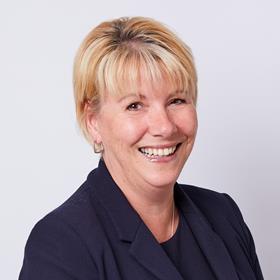
Craft Bakers Association, chief executive Karen Dear
“If I had a magic wand, my one wish for the new Prime Minister would be simple: meaningful consultation with small businesses before introducing legislation that affects them.
Too often, policies are designed with large organisations in mind, businesses with HR departments, legal teams and the resources to absorb change. That simply is not the reality for the UK’s independent bakeries.
A family run bakery employing 10 or 20 people operates very differently from a national business employing thousands. Yet all too often, the same legislation is expected to work for both. It is not one policy that is causing concern. It is the cumulative impact of them all.
Our members are facing rising National Minimum Wage, increased Employer National Insurance contributions, Statutory Sick Pay from day one, escalating ingredient costs, energy bills, fuel, packaging, insurance and continuing economic uncertainty. Every one of those changes adds another layer of cost and complexity. On their own they may seem manageable, but together they are placing enormous pressure on independent businesses operating on already tight margins.
What I would like to see is a genuine Small Business Impact Test applied to every new piece of legislation. Before a policy becomes law, Government should ask one simple question: How will this work in a business employing five, ten or twenty people? If the answer is that it creates an unreasonable burden, then it should be reviewed before it reaches the statute book.”

UK Flour Millers, CEO Alistair Gale
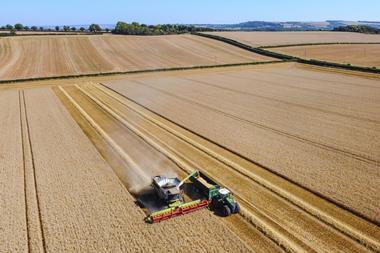
“The UK is self-sufficient in wheat flour production through a network of mills across the country, including three in Greater Manchester, home to No. 10 North [the planned site for several prime minister’s office functions to be moved to]. The farming, milling, baking supply chain, of which we are at the heart, feeds the nation through the production and supply of some 12 million loaves every day (plus much more besides).
At a time of geopolitical instability, we encourage the new Prime Minister to back this critical supply chain and support the nation’s food security in three key ways: backing British farming, from which we buy up to three quarters of the wheat we mill; addressing the cost of electrical energy, which remains amongst the highest in the world; and ensuring that UK trade deals don’t open the market to subsidised imports of ingredients and food.”
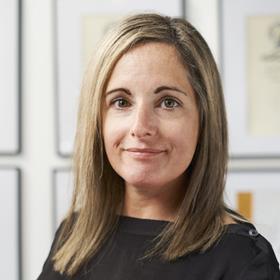
Scottish Bakers, CEO Lesley Cameron:
“Scotland’s bakery sector stands ready to work with the new Prime Minister and his Government, alongside the Scottish Government in areas of devolved responsibility, to build a resilient, innovative and sustainable bakery sector.
This will require a joined-up approach across both governments to create the correct conditions for investment, business growth, skills development and high-quality employment. This will support bakeries of every size and strengthen communities across Scotland and the wider UK.”

The Food and Drink Federation (FDF), chief executive Karen Betts:
“Many congratulations to Andy Burnham on his appointment as Prime Minister. It’s been encouraging to see him recognise the critical role that food production plays in all of our lives.
Food and drink manufacturers stand ready to work with the new Prime Minister and his team to ensure that together we are building the resilient, cutting-edge food system our country needs. That means urgently creating the conditions for innovation, growth and investment in skills, which will in turn drive renewed prosperity in communities everywhere across the UK.”
Food inflation falls
In addition to words for the new PM, the FDF also commented on the news that the inflation rate of food and non-alcoholic drink had fallen to 1.7% in June, down from 2.2% the previous month. Prices improved for 16 categories, with the largest drops seen in pizza (-6.7%), butter (-6.6%) and flours (-5.1%).
The FDF noted how the industry has learnt lessons from the energy crisis brought on by the Ukraine invasion and has adapted its approach to energy and commodity risk, including by fixing the prices they pay for energy and ingredients much further ahead, often for 12 to 18 months and sometimes up to two years. In many cases, more than half of their energy needs are now covered by these long‑term agreements with the rest spread across medium and short‑term arrangements, added the trade body.
Dr Liliana Danila, chief economist at the FDF, said they continue to anticipate rising food price inflation as the year goes on, but that it is likely to be lower, come later and plateau for longer than the previous inflationary cycle.
“With disruption the new norm for the food system, it’s critical that the new Prime Minister takes food security seriously and is ready to work in partnership with industry to ensure our food system is investing for growth and resilience, from vital tech adoption to future-facing skills,” she added.





1 Readers' comment