








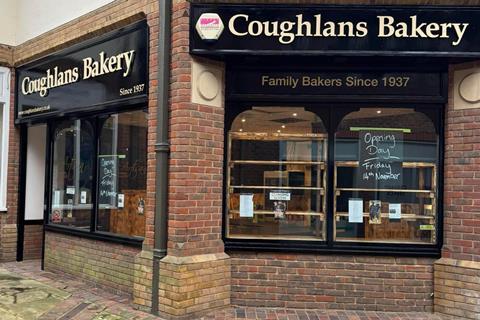
Industry groups have reacted to the sudden closure of southeast chain Coughlans Bakery, calling it a stark reminder of the unprecedented pressures facing independent retail businesses.
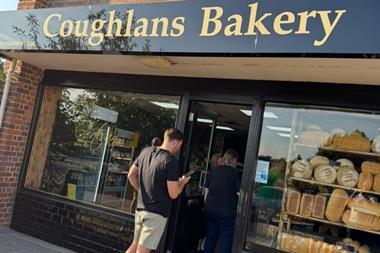
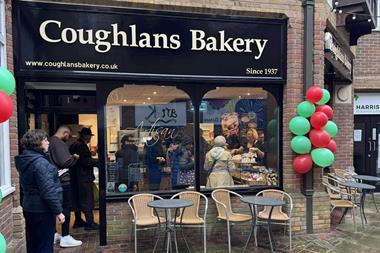
Coughlans, an 89-year-old firm based in Croydon, announced it was entering voluntary liquidation on 30 June and shut all 32 of its shops the next day.
Karen Dear, chief executive of the Craft Bakers Association, said they were “deeply saddened” to see the closure of one of its long-standing members. “It is always incredibly difficult to lose a well-established family business that has served its local community for generations,” she added.
Echoing the reasons MD Sean Coughlan gave for his company’s decision to cease trading, Dear said bakery businesses are facing the perfect storm of rising employment costs, continued inflationary pressures on ingredients, energy and fuel, together with changing consumer spending patterns. Recent periods of exceptionally hot weather have also impacted footfall and sales, placing further strain on companies already operating on very tight margins, she noted. Heatwaves have forced several bakeries to close temporarily or reduce opening hours.
The CBA chief also highlighted how businesses are operating in an increasingly uncertain economic environment due to consumers becoming more cautious with discretionary spending. This means owners are continuing to face tough decisions about investment, recruitment, and future growth.
The resilience shown over many years by the craft bakery sector is no longer enough, warned Dear. “Without greater recognition of the cumulative impact of rising employment costs, taxation and regulation on SMEs, together with policies that restore confidence and support investment, we risk losing more long-standing independent bakeries from our high streets and communities, along with the jobs, skills and local investment they provide.”
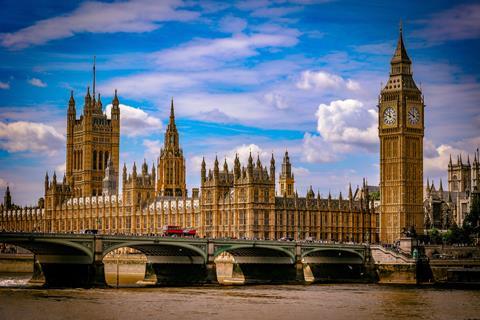
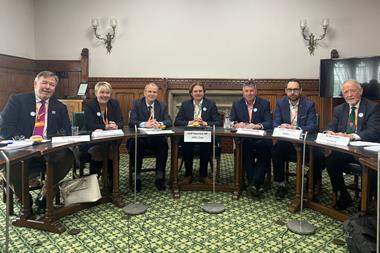
Similar discussions were heard recently during the first panel event of the All-Party Parliamentary Group for the baking industry at the Houses of Parliament in London, which Dear attended alongside other bakery representatives and MPs.
Independents bakery chains also shutting doors permanently this year include Routledges The Bakers in Carlisle (seven shops) and Kellys Bakeries in Norwich (three shops). Baker Tom’s in Cornwall recently closed all three of its retail shops, although it has managed to keep its wholesale business alive.
Tom Ironside, director of business & regulation at the British Retail Consortium, said it was “clear that the current system is broken”, with current circumstances holding back investment, expansion and hiring plans, and forcing even well-established businesses under. “Any revitalisation of our high streets must start with reduction in costs to allow retailers room to manoeuvre and grow,” he asserted.
Meanwhile Ros Morgan, chief executive of advocacy group Heart of London Business Alliance, thinks that Britain’s business rates system is no longer fit for purpose. She expressed how the news of Coughlans’ closure was “a wake-up call”, and one which “shows how an outdated property tax continues to place an unfair burden on firms that invest in bricks-and-mortar locations, create jobs and keep our town and city centres vibrant.”
Morgan urges the government to adopt the Real Rates Reform Alliance’s hybrid business rates model instead, which she says would broaden the tax base through a modest levy on online sales, enabling a permanent reduction in business rates for those investing in physical premises.
Like retail, hospitality is also under immense pressure. A new survey conducted by UKHospitality and other organisations involved in the sector revealed almost a quarter (23%) of hospitality businesses said they were operating at a loss – up 15% from three months ago – with 5% saying they were no longer viable.
“The Government needs to act to back hospitality and reduce its tax burden,” said a joint statement from the trade bodies. “The sector is united – a cut to VAT is the most impactful way to support hospitality and drive growth. The Government should cut VAT to 10%, bringing the UK in line with Europe.”


No comments yet