










The Food and Drink Federation (FDF) has revised its 2026 food inflation forecast due to the ongoing Iran conflict.
The trade association, which represents the UK’s 12,000 food and drink manufacturers, had previously thought that the rate of food inflation would gradually ease this year, ending at around 3%. It had decreased from 4.2% in December 2025 to 3.6% in January and down to 3.3% in February.
However, given the recent effective closure of the Strait of Hormuz and impact on oil and gas facilities in the Middle East, the FDF has said it is now anticipating that food inflation will reach at least 9% by the end of the year. This is based on assumptions that cargo traffic will resume in the Strait over the course of the next two to three weeks, with the majority of key facilities including oil, gas, and fertiliser sites returning to normal within a year.
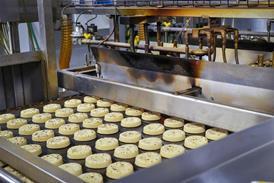
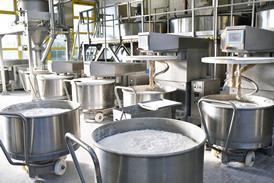
It’s bad news for energy-intensive businesses such as bakeries, especially smaller producers who are already experiencing cost spikes in energy bills as they tend to buy it ‘on the spot’ rather than hedging fluctuations with medium- to long-term contracts like the larger manufacturers do.
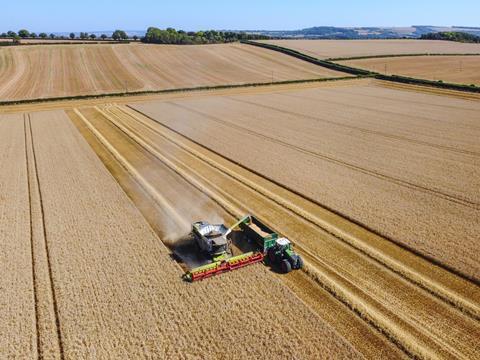
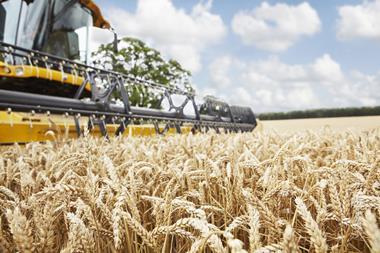
In addition, the cost of red diesel (used to power farm machinery) has surged 80% since the start of the conflict, with availability tightening in some UK regions. This is expected to have a knock-on effect on ingredients prices including wheat as well as the likes of salad vegetables, leafy greens, and soft fruits grown inside commercial greenhouses, which require energy for heating.
There’s also the impact of lost export sales, noted the FDF. UK suppliers of products popular in the Middle East – such as biscuits, cereals, chocolate, and cheese – have had to pause or cancel shipments to the region, adding to their uncertainty.
“The food and drink sector is already feeling the force of this geopolitical shock,” said FDF chief economist Dr Liliana Danila. “As one of the UK’s energy intensive industries, manufacturers are facing mounting energy bills, rising transport and packaging costs and disruption across key supply chains.
“These pressures are hitting simultaneously, and are a significant challenge for businesses to absorb,” she added.
Dr Danila described the current situation as unprecedented and hard to predict. She highlighted that given the scale and speed of these cost increases, and despite companies’ best efforts not to pass price increases on, “it’s clear food inflation is going to rise in the months ahead”.
The FDF stressed that there was a number of ways the government could soften the impact on food and drink manufacturers and limit food and drink price rises for households, in particular:
- Include Food and Drink in the British Industrial Competitiveness Scheme, which offers support with industrial electricity bills – the sector isn’t currently eligible as it’s not considered ‘Advanced Manufacturing’
- Delay new regulation, such as the proposed Nutrient Profiling Model (NPM) changes and scrap a number of outdated regulations to ease the pressures faced by the sector and help tackle inflation – other added costs come from new or incoming policies including the Extended Producer Responsibility (EPR), the Deposit Return Scheme (DRS), and the EU-UK SPS Agreement.
Warnings on how government policy was the key driver of food inflation were made last year by the FDF, when it also revised its food and drink inflation forecast up to 5.7%, although it turned out to be much lower (see table below).
Food and non-alcoholic drink inflation:
| Year | Annual average |
|---|---|
|
2020 |
0.7% |
|
2021 |
0.3% |
|
2022 |
10.9% |
|
2023 |
14.6% |
|
2024 |
2.7% |
|
2025 |
4.2% |






No comments yet