










In a bakery, a few square metres of shop floor space can make a significant difference to the bottom line.
A poorly positioned display might obscure a bestselling product, and a badly planned queue can make it harder for customers to browse.
In this Op-Ed for British Baker, Hannah Wolfenden, commercial director of UK retail design and manufacturing specialist Ripple, offers advice on making shop space work.

For bakery operators facing pressure on margins, the commercial performance of their retail space deserves just as much attention as the products being sold.
Visits to UK high streets were down 3% compared with the previous year, according to the British Retail Consortium’s September 2026 footfall figures. With fewer shoppers coming through the door, making the most of each visit becomes increasingly important.
Securing larger premises or investing in a complete refurbishment may not be financially viable for many bakery businesses. However, there are plenty of opportunities to make existing space work harder.
Start with the customer, not the fixtures
One of the biggest mistakes retailers can make is designing a store around how much stock they want to display, rather than how customers will actually shop.
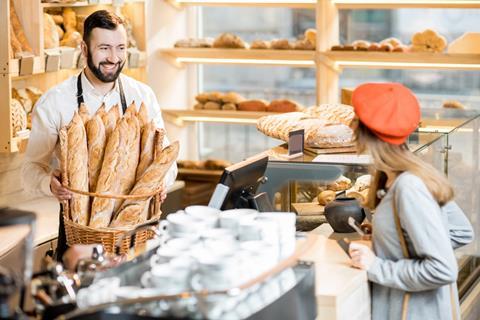
Consider the morning rush in a busy bakery. Commuters want to grab a coffee and pastry before work but find themselves waiting behind someone choosing a celebration cake. The products might be excellent, but the service arrangement is creating an unnecessary obstacle. Keep grab-and-go products easy to reach and ensure the queue does not block customers browsing the wider range. Where staffing and space allow, a separate collection point for pre-orders can also help keep customers moving.
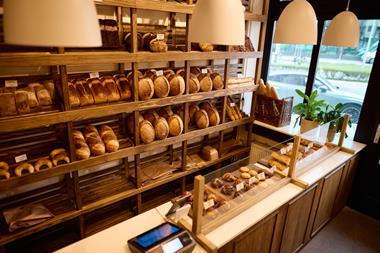
Clear sightlines, accessible displays and well-positioned signage help customers make decisions before reaching the counter. Layouts also need to work for staff, allowing them to replenish products and move between preparation, service and collection areas without crossing queues. The aim is to make purchasing and service feel effortless, even when space is limited.
Give your key products room to sell
Overcrowded displays make it harder for individual items to stand out, particularly when premium products are competing for attention alongside everyday favourites. Retailers should think carefully about which products deserve the most prominent positions and how different items can complement one another.
For example, positioning smaller indulgent treats alongside the coffee ordering point could encourage an additional purchase, while giving seasonal specialities a dedicated display can help create interest without overwhelming the core range.
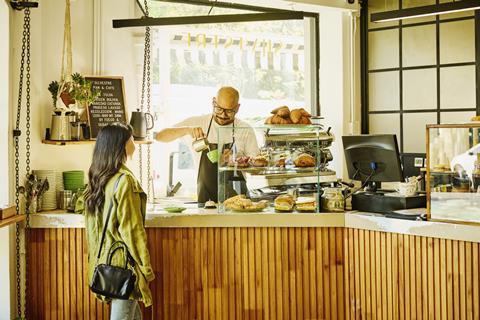
The aim is to create a sense of abundance without overcrowding, using appropriately sized displays that still look inviting as stock sells through.
Design for the whole trading day
Bakery is also a category where customer demand can change considerably throughout the day. A space that works brilliantly for breakfast might be less effective during the lunchtime rush or when customers are browsing for afternoon treats. This is where flexibility becomes particularly valuable.
Moveable displays, adaptable shelving and interchangeable signage allow retailers to respond to different trading periods without constantly investing in new fixtures. For example, the same prominent display could showcase breakfast pastries in the morning, sandwiches at lunchtime and sweet treats in the afternoon.
The right solution will differ between a small independent bakery and a national chain, but the principle remains the same. Retail space should be designed around how the business operates, with enough flexibility to accommodate change.
Measure what matters
Finally, bakery operators should consider how they measure the effectiveness of their layouts. Sales per square metre provide a useful starting point, but average transaction value, product performance and even the time staff spend replenishing displays can reveal opportunities for improvement.
Relatively small changes can be trialled and measured before committing to a larger investment. Compare results across similar trading periods, accounting for changes in pricing, promotions and product availability.
Ultimately, successful retail design is about making the space easier to shop, giving products the visibility they deserve and ensuring every square metre contributes to the success of the business.







No comments yet