









Next week’s Autumn budget is expected to see Chancellor Reeves attempt to plug a £30bn fiscal hole with a raft of tax hikes.
As such, the vibe across the UK baking industry isn’t great, especially among the smaller, independent bakeries. Scott Dawson, CEO of payments processor DECTA, explores how SMEs are facing a crisis of consumer confidence:

There’s a glaring contradiction at the heart of Britain’s baking sector. The retail bakery-café segment counted nearly 1,759 businesses in 2024 – a small rise that hides a growing crisis in confidence. The DECTA UK Whitepaper found that SMEs, which employ 16.6 million people and generate £2.8 trillion in turnover, are struggling against rising costs and tightening credit. Only 23.6% of respondents said the UK is a good place for SMEs, and nearly 40% weren’t sure. That uncertainty echoes through bakeries and café counters across the country.
Despite its heritage, the UK bakery market (valued at £6.65bn in 2024) faces escalating costs from flour and energy to packaging and labour. Inflation and regulation have hit margins hard, leaving smaller independents struggling to stay open. Meanwhile, access to finance is shrinking – 140,000 SME bank accounts were closed by major banks in the past year, and SME growth has dropped 40% over the past decade, according to DECTA’s findings.
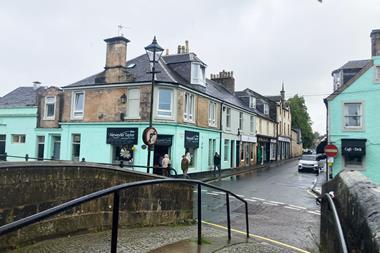
Shuttered counters are already here
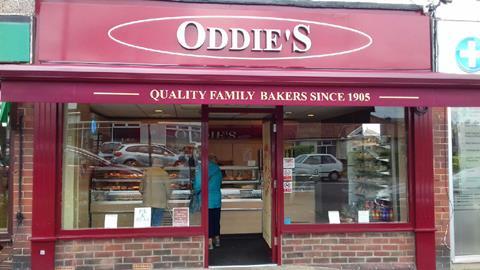
Closures aren’t just happening on the high street – they’re happening in bakeries that have served communities for decades. Rising input costs, higher rents, and weak consumer demand mean every loaf carries more risk than profit. The DECTA report found that 41% of SMEs have experienced fraud in the past year, further draining fragile balance sheets. Those pressures translate into shuttered storefronts, empty shelves, and vanishing brands.
When businesses that have been in communities for decades or even centuries collapse, it’s not just retail nostalgia at stake – it’s public confidence. When people see familiar local bakeries close, they internalise the idea that small businesses are temporary. That perception becomes its own threat.
The perception gap
Why do so few people believe the UK is good for small businesses? The DECTA survey offers a clue: 34.6% of consumers said they never buy from SMEs, a figure that climbs to 46% among those over 55. That’s not literally true – it’s a sign that people don’t think of local bakeries or cafés as SMEs. Instead, they associate “small business” with fragility.
The top reasons consumers avoid SMEs were price inflation, difficulty getting refunds, and lack of online presence. Payment complexity and perceived insecurity also ranked high. Yet 47% of consumers said SMEs should have the same payment technology as larger companies, and almost half (47%) said they were willing to sacrifice speed for security. That’s a wake-up call for bakery owners: trust, not just taste, drives repeat business.
What customers want
Competing on price alone isn’t sustainable. With ingredient costs soaring, bakeries must lean into reliability, transparency, and payment trust. Clear refund policies, visible hygiene standards, and secure digital checkouts go further than deep discounts.
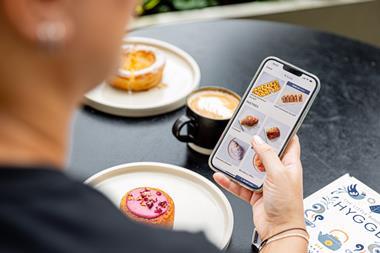
Payments are central. While 53% of consumers have purchased from SMEs online, many still perceive small businesses as less secure. Integrating trusted gateways, contactless options, and even alternative methods like Buy Now Pay Later (supported by 21% of consumers) signals modernity and stability.
Visibility matters too. Many small bakeries remain confined to local footfall, but expanding online or via subscription delivery can change that. The DECTA data suggests younger men (aged 25-34) are the most optimistic and digitally engaged demographic, a natural target for bakeries selling through e-commerce or apps. When a bakery can sell to someone in Bristol or Berlin as easily as to someone in Birmingham, it signals resilience.
The uncomfortable truth
Still, optimism is thin. Only 14% of consumers describe themselves as “very optimistic” about the economy, with another 32% “somewhat optimistic.” The rest hover in neutral or pessimistic territory. That matters because confidence drives spending – and low confidence erodes it further.
If confidence doesn’t return, closures will accelerate. High streets will hollow out, bakeries will vanish, and towns will sink deeper into “night-time deserts.” Consumers won’t grieve much – because they’ve already decided small businesses are fleeting.
Bakeries can’t fix interest rates or tax codes, but they can project strength. Every reliable delivery, every seamless card payment, every trustworthy refund adds weight to the idea that small doesn’t mean unstable.
The question for Britain’s independent bakers, then, isn’t whether they can survive – it’s whether they can convince the other 77% that they’re worth believing in.





No comments yet