













The government’s launch of new technical educational routes into industry has been warmly welcomed by bakery manufacturing trade bodies and associations.
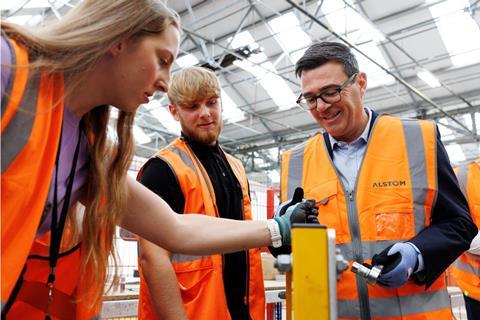
Fundamental changes to the educational system unveiled yesterday (28 July) by new prime minister Andy Burnham sees new pathways helping to provide 14-year-olds with early access to technical skills, work experience and connections with local employers.
Burnham is said to be determined to put technical education on an equal footing with the traditional academic path and to ensure there are ‘no dead ends’ for young people coming out of the education system. Year 10 students are to be given the chance to combine core subject – including English, maths, and science – with high-quality technical education linked to jobs in their local area. They will also be able to spend time with employers and gain real-world experience.
“From today, Britain will value the hard hat every bit as much as the graduation cap,” expressed Burnham. “Fixing the youth unemployment crisis in Britain will require a major shake-up in how we do things – and that’s what this government will do.”
Below we have collated reactions to the new changes:

Federation of Bakers, chief executive Andrew Pyne:
“The Federation of Bakers welcomes the ambition to give young people earlier access to technical education, skills training, work experience and connections with employers. The baking sector offers a wide range of technically skilled careers in areas including engineering, product development, decarbonisation and digitalisation. Greater exposure to these opportunities at an earlier stage than is currently available could help improve understanding of the breadth of opportunities across the industry and encourage more young people to consider a career in baking.
However, considerable detail is still needed on how the proposals would work in practice and whether schools and employers will have the resources and capacity to deliver them effectively. As the Government develops the pathways with schools, colleges, mayors, local leaders and employers, it will be important that the baking and wider food industry is closely involved to help ensure they are practical, relevant and aligned with the skills businesses need.”

Craft Bakers Association, chief executive Karen Dear:
“The Craft Bakers Association welcomes the Government’s ambition to place technical education on an equal footing with traditional academic routes. For too long, vocational careers have been viewed as a second choice, when in reality they provide highly skilled, rewarding, and essential career opportunities.
The opportunity for young people to access technical education from the age of 14, alongside meaningful work experience and stronger links with employers, is a positive step forward. The bakery industry offers diverse careers spanning artisan baking, confectionery, product development, food manufacturing, retail, business management and entrepreneurship, yet too few young people are aware of the opportunities available.
Early exposure to these careers will help students make informed decisions about their future while allowing employers to inspire the next generation of skilled professionals. We particularly welcome the emphasis on schools, colleges and employers working together to develop local talent, as this will help ensure education reflects the skills businesses genuinely need.
However, this should be just the beginning. We would like to see baking and food, given greater prominence within the curriculum, with more opportunities for young people to experience practical baking/food production before they leave school.
We would also welcome increased investment in specialist bakery and food production facilities within further education colleges, stronger support for employer-led apprenticeships, and greater flexibility for small and medium-sized businesses to engage with schools through work experience, careers events and industry placements. Craft bakeries are often at the heart of their local communities, but many lack the resources to navigate complex education and skills programmes.”

FDQ, CEO Terry Fennell:
“We welcome the Prime Minister’s ambition to prevent young people becoming disconnected from the world of work and to give technical and vocational education the recognition it deserves alongside traditional academic routes.
For too long, many young people have left school with little awareness of the breadth of career opportunities available in industries such as baking. The introduction of new technical pathways for 14 to 16-year-olds, combined with meaningful work experience and stronger links to local employers, has the potential to transform that situation.
However, if these reforms are to succeed, schools and colleges will require adequate funding, facilities and specialist expertise. Delivering high-quality technical education is resource-intensive, particularly in practical disciplines such as bakery where learners need access to industry-standard kitchens, equipment and teaching environments.
FDQ would also like to see greater flexibility within the education system to allow employers to engage with learners earlier and more frequently. The baking sector has a long history of offering apprenticeships, skills development and career progression for young people. These reforms present an important opportunity to strengthen that tradition and ensure the next generation can access the skills, experiences and employment opportunities our industry has to offer.”

National Food & Drink Training, training & development manager Scott Anderson:
“We see today’s announcement by the Prime Minister as a big win for the food and drink sector. Allowing secondary school students in England to explore technical education, directly addresses the bakery sector’s urgent need for fresh talent to sustain growth, pioneer new product development, and protect national food security across the UK.
Elevating technical pathways to match traditional academic routes is long overdue. Bakery and food manufacturing shouldn’t be dismissed as basic manual work; it is an innovative, resilient, and highly skilled sector. We want young people to see bakery and food manufacturing for what it truly is: a positive, future-proof career choice where they can continuously learn, innovate, and thrive.”

Association of Bakery Ingredients Manufacturers, president David Cooper:
“ABIM members are passionate about supporting the future lifeblood of the baking industry by helping inspire the next generation of talent. While the bakery sector has made big leaps ahead in supporting those studying bakery at university, the key to developing bakers of the future is to capture a young person’s interest around years 10 and 11 when they are not yet sure what direction they would like to take.
We welcome this initiative by the Government to support wider awareness of technical and vocational career paths such as bakery. Many of our members are already working in partnership with local schools and colleges with visits and hands-on bakery sessions, and we would encourage bakers across all channels to connect with food tech and careers teachers in their local area and offer youngsters work experience where feasible.”

The Food and Drink Federation, director of sustainability and growth Balwinder Dhoot:
“Food and drink manufacturing can provide a career for life, where it’s possible for young people to join on the factory floor and make their way right up to the boardroom. With almost 200,000 jobs to be filled over the next decade, our sector needs a pipeline of technical skills in areas like engineering, digitalisation, and decarbonisation that we require as advanced manufacturers.
It’s great to hear the prime minister’s commitment to supporting technical skills for young people and taking a regional approach. We’ve already seen how this can be successful in Greater Manchester and look forward to working with government to ensure we can attract the next generation of food and drink manufacturers in communities across the UK.”








No comments yet