








What impact are weight-loss drugs having on the afternoon tea market? What trends is social media bringing to the tea stand? And how are venues adding drama?
With Afternoon Tea Week (10 to 16 August 2026) in full swing, British Baker spills the tea on what’s trending for 2026 and why.
Retro comfort for a new generation
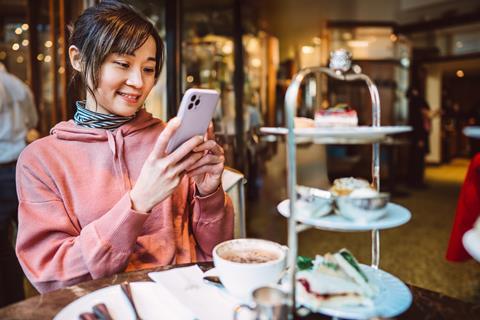
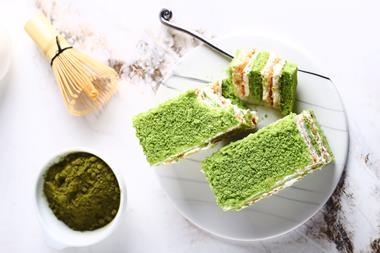
After bringing matcha to afternoon tea, Gen Z is now staying for the scones (all while filming TikTok content).
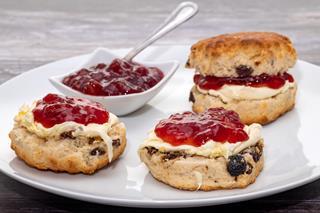
“As the ‘Grandmacore’ trend continues, afternoon tea featuring scones tap into its popularity with grandma-inspired innovation perfectly suited to evoke feelings of comfort and joy amongst younger audiences,” says Ryan Gaskin, group leader of traditional trade at CSM Ingredients.
“Bakers and cafes are primed to attract existing customers for this and to appeal to new ones, especially Gen Z, with 64% of consumers aged 20-24 finding comfort in eating cakes that evoke childhood memories.”
This extends to the savoury items as well as Izzy Cohen, development chef at ingredients supplier Henley Bridge, points to the revival of traditional favourites such as vol au vents and Scotch eggs.
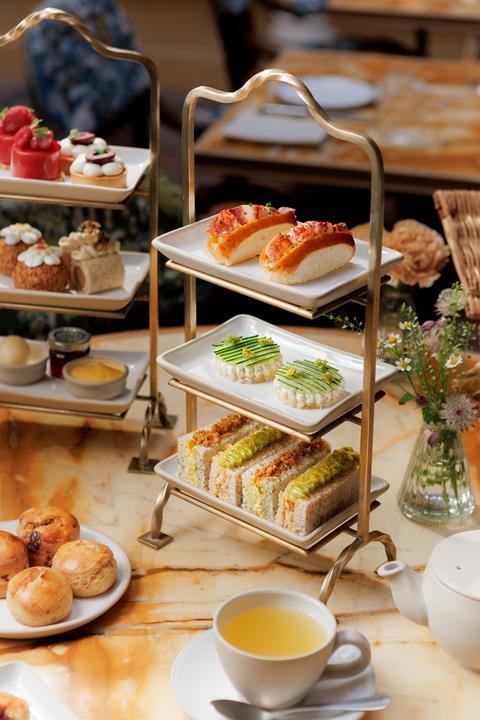
For example, Twenty8 NoMad in Covent Garden is doubling down on retro with a new picnic-inspired afternoon tea featuring classics like coronation chicken, cherry Bakewell, and egg mayonnaise sandwiches. It’s all served in a ‘nostalgic summer setting’ with picnic cloths and wicker baskets.
However, the retro trend doesn’t mean skimping on modern twists.
Matteo Sargentelli, head pastry chef at The Landmark, London, says that scones have “actually stayed pretty traditional, even if you see the odd seasonal flavour”.
He adds that “sandwiches are where the biggest change has happened”, noting they now have “better ingredients, more interesting flavours and presentation that’s closer to an à la carte dish”.
The Landmark Hotel certainly features twists on sandwich classics, with black truffle elevating egg mayonnaise sandwiches and Lapsang Souchong Smoked Scottish Salmon.
Keith Newton, managing director at AfternoonTea.co.uk, says on one hand the afternoon tea audience naturally skews older, with the occasions that traditionally drive it (like milestone birthdays and Mothers’ Day) increasing with a diner’s age. But by using social media, operators are drawing younger consumers in.
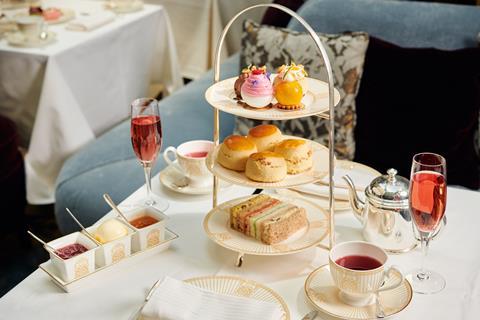
“Afternoon tea is a very visual experience, which makes it perfect for Instagram or TikTok. Themed and highly visual teas perform disproportionately well on social, and that’s where the younger audience is coming from,” he explains.
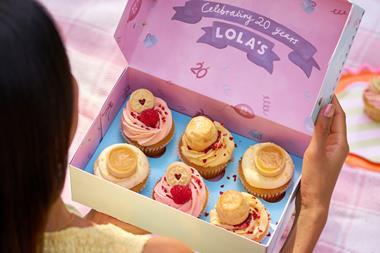
Venues like Peggy Porschen Belgravia wouldn’t argue with that. Its bright pink décor is catnip to would-be influencers who queue up to capture and consume the afternoon tea – which this year features Italian classics like Tutti Frutti and Amalfi Limoni Dolci.
A move towards mindful indulgence
“Guests still want to enjoy a special treat, but they are increasingly looking for quality over quantity.”
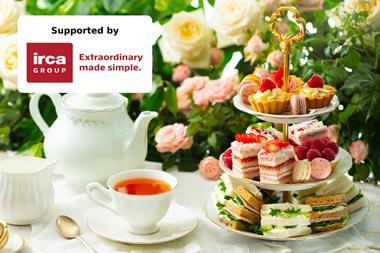
Traditionally, afternoon tea is all about decadence: while the cucumber sandwiches offer brief respite, stands are typically laden with delicious cakes, scones slathered in clotted cream and jam, and indulgent morsels in the form of macarons, tarts, and more.
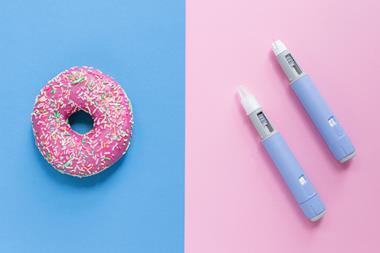
But that could be about to change. New research shows nearly 7% of the UK population have used, are using, or are considering using GLP-1s [The Food Foundation], a trend which is translating to a renewed focus for quality on the afternoon tea stand.
Sam Leatherby, executive pastry chef at London Hilton, has seen this trend in action. “We’re seeing a shift towards more mindful dining rather than a move away from indulgence altogether,” he says.
“Guests still want to enjoy a special treat, but they are increasingly looking for quality over quantity. Thoughtfully balanced menus, fresh ingredients and a variety of flavours are becoming more important, with guests appreciating experiences that feel considered rather than excessive.”
He adds that the onus is on chefs to offer “choice and balance”, while preserving the sense of occasion that makes afternoon tea special.
“Afternoon tea is about celebrating, connecting and enjoying great food, and that emotional connection remains just as important as ever.”
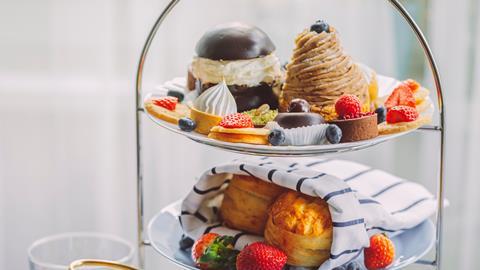
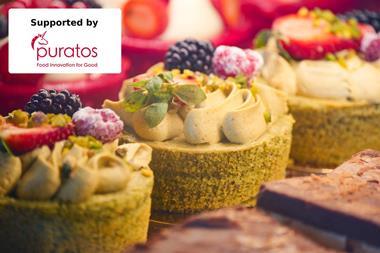
Berries, which are as quintessential to an English summer as Wimbledon and tube strikes, are a natural way to achieve this balance and signal health on the menu.
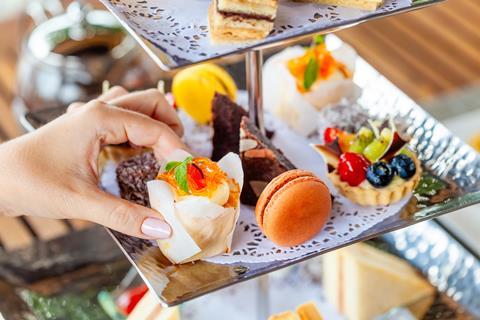
“Berry-forward profiles are performing well, with sour cherries, blueberries, strawberries and cranberries bringing natural sweetness, sharpness and visual appeal to afternoon tea bakes,” says Debbie Walden, head of innovation at Community Foods, a supplier of dried fruits, nuts, seeds, and more. “Botanical and floral notes, such as rose, lavender and elderflower, are also increasingly being paired with fruit to create more delicate, occasion-led flavours.”
These delicate, balanced flavours come into fruition at the Royal Lancaster London’s new botanical afternoon tea, which features strawberry tart with elderflower and crème fraîche, plus a raspberry and a pistachio medley.
Meanwhile, macarons offer a way to maximise taste while balancing portion sizes.
Matt Grenter, sales manager at Symphonie Pasquier, says that: ‘a smaller offering could be a way to go’ and flags the French treats as a way for diners to ‘treat themselves with delicious food, despite GLP-1s reducing the customer’s appetite’.
Leatherby notes that there’s one tea tradition that’s already GLP-1 friendly: taking cakes to-go.
“We’ve seen guests making the most of the experience beyond the day itself, with many choosing to take some of their treats home to enjoy later,” he says.
Dialling-up the drama
Whichever way you slice it, diners are feeling short on cash right now. And while afternoon tea is still an occasion customers are willing to splash out on – chefs are finding new ways to make it worth their while.
“Places are having to work harder to bring people in, so we’re seeing far more themed afternoon teas, brand collaborations and tie-ins with big cultural moments,” says Sargentelli.
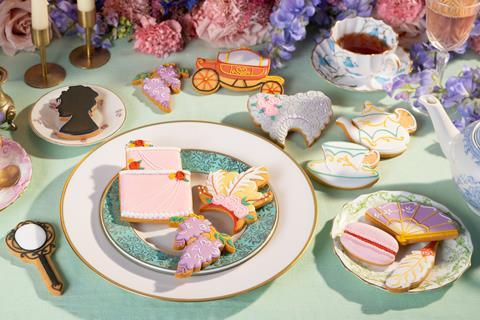
For 2026, it’s all about the narrative. While The Bridgerton afternoon tea at The Lanesborough invites guests to revel in Regency glamour, the Phantom of the Opera-inspired afternoon tea at the Rose Lounge in Sofitel St James involves courses arriving shrouded in mist and scones served in a mysterious lantern.
Leatherby was tasked this year with creating a themed Disney Princess tea appealing to both parents and children.
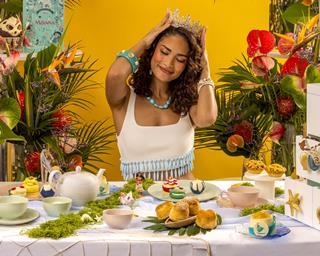
We wanted every element to feel authentic to the story of Moana while still delivering the quality and elegance guests expect from a traditional afternoon tea.”
“Creating a themed afternoon tea is always a balancing act,” he says. “We wanted every element to feel authentic to the story of Moana while still delivering the quality and elegance guests expect from a traditional afternoon tea. The biggest challenge was translating the vibrant colours, landscapes and characters into pastries that not only looked beautiful but tasted exceptional too.”
The move towards afternoon-tea-as-content means that the experiential side of the occasion isn’t going anytime soon. Already very much in vogue, expect venues to continue to go all out to offer something different.
“Afternoon tea has become much more experience led,” notes Leatherby. “It’s no longer just about the food, it’s about creating moments that guests want to celebrate, share and remember.”
Flexing the format
In 2026, afternoon tea can be whatever you want it to be: a private date at a posh hotel, something causal and fun between friends, or a chance to create Instagrammable moments.
The format’s flexibility means that other hospitality sectors are muscling-in on bakers’ territory. Take the Mayfair Chipp’s innovative Afternoon ‘Sea’, complete with Cornish crab and treacle-cured salmon.
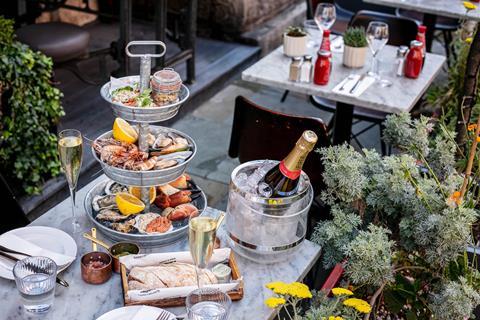
“Ultimately, afternoon tea is continuing to move beyond a set occasion and becoming a more flexible, experience-driven offering that fits around the way guests want to spend their time,” believes Leatherby.
And, as afternoon tea gets ever-more experiential it’s beginning to unmoor from its traditional time-slot. According to The Afternoon Tea Report 2026, the 1pm-3pm window still accounts for the majority of sittings.
There’s a good reason for this. As Cohen points out: “Afternoon tea offers the perfect opportunity to fill an otherwise quieter daypart and can be prepped in advance thereby reducing pressure on staff after a potentially busy lunchtime service.”
Yet venues are getting more flexible, with promising results.
The London Hilton on Park Lane decided to ‘challenge the convention’ by opening bookings for The Disney Experience Afternoon Tea right up until 7pm.
“Initially, we weren’t sure whether there would be demand in the evening, but it has been fantastic to see guests embracing it as a special treat after exploring London, making it the perfect way to end their day,” explains Leatherby.
Whatever their afternoon tea looks like, in an era of growing no-shows more venues are taking deposits in advance. This doesn’t always go down well with customers. The Afternoon Tea Report 2026 states that nearly one in three shoppers said a deposit or credit card requirement affects their likelihood of booking.
But Newton says that ‘the deterrent is the size and rigidity of the charge, not the principle.’
“Customers don’t mind paying a small deposit to secure a reservation. Where it becomes a genuine barrier is when venues insist on full payment upfront.”
And despite all the added pizazz, it’s the key components of an afternoon tea that keep customers coming back.
“People still expect the classic afternoon tea format, with savoury bites, sweets, scones and tea – often with a glass of Champagne too,” says Sargentelli. “The innovation is more about what’s on the plate than changing the overall structure.”



No comments yet