











Variety is the spice of life, and there is no shortage of variety or spices in the bakery world which is always keen to experiment with on-trend and unusual flavours.
“The next big flavours are those that balance familiarity with a sense of discovery,” declares Dan Jones, marketing manager at British Bakels.
But which ones will come out on top in bakery in 2026 and beyond? And how will bakers be utilising them to keep their product line-up fresh and exciting, and keep consumers engaged?
Budding botanicals blossom in bakery
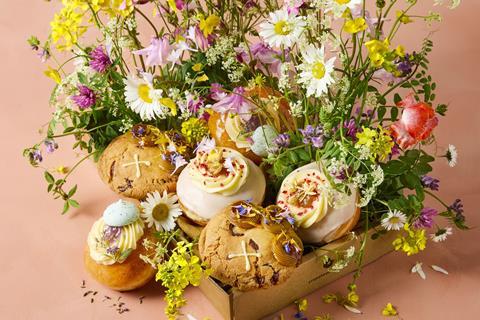
Botanicals are blossoming in bakery – particularly in the sunnier months – when their floral notes bring vibrancy and often a spot of colour to displays.
“This trend began in the drinks category and is now making waves across bakery too – partly because of their healthy halo,” explains Philippa Knight, marketing director at Puratos UK. “We’re seeing twists on classics through botanicals like ginger, mint, and orange blossom.”
Knight points to Innova Market Insights research which found that floral varieties like peach blossom, jasmine, rose, and honeysuckle have seen the fastest growth, with an 8.4% increase in global product launches.
“Floral doesn’t have to mean delicate”
That said, it is elderflower, lavender, and rose which seem to have piqued the interest of bakery brands, particularly doughnut specialists who have embraced this trend. Crosstown, for example, unveiled a ‘floral forward’ range of botanical inspired sweet treats under a limited-edition collection called Botanarchy early last year. The line-up included a Jasmine & Rhubarb Doughnut, a Lavender Crème Brûlée Doughnut, and a Pistachio & Salted Caramel Cookie which was topped with edible petal confetti.
“Floral doesn’t have to mean delicate,” Crosstown CEO Jo Blundell said of the launch, describing the products as “vibrant, unexpected, and crafted to excite both the eyes, mind and the palate”.
Free-from doughnut specialist Borough 22, meanwhile, also infused its treats with botanicals including hibiscus glazed doughnuts and an Arabian rose ring doughnut launched for Eid 2025.
Time for tea
As the WI can attest to, tea and cake has always been a match made in heaven but now the lines between the two are blurring as sweet treats are being infused with brew-based flavours.
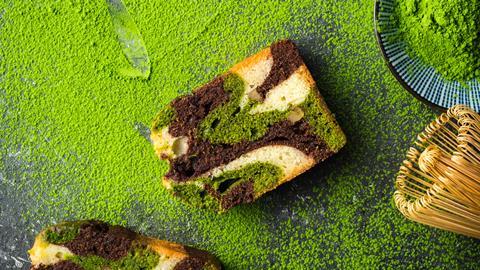
Although it feels like a very British pairing, the move is actually being driven by something from further afield – matcha. The green tea has taken the coffee shop market by storm, trickling into the treats served alongside it with gusto.
“Matcha has moved beyond trend status into everyday bakery,” says Liz Gabriel, bakery specialist at flavour house I.T.S, “but it’s still evolving.”
Bakers are pairing it with softer, familiar flavours such as strawberry, white chocolate and raspberry to widen appeal and keep it feeling fresh, she adds, highlighting its green hue as one of the reasons for its popularity, particularly as the Instagram generation sees it as a cue for wellness.
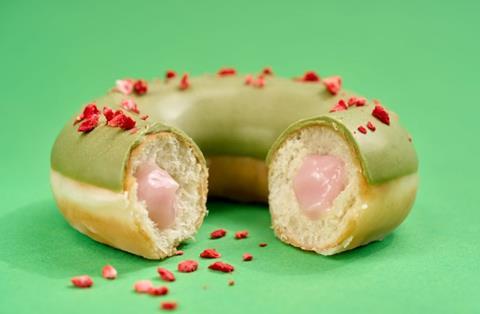
One recent example comes from doughnut purveyor Krispy Kreme which rolled out a matcha range for 2026 comprising a Strawberry Matcha Doughnut and matcha lattes infused with its Original Glazed doughnut flavour. Made as part of a partnership with matcha brand Perfect Ted, the Strawberry Matcha sweet treat sees a Krispy Kreme doughnut filled with strawberry-flavoured Kreme, dipped in a matcha flavour coating, and topped with dried strawberry pieces.
Starbucks Ireland also tapped into the pairing with a Strawberry Matcha Loaf (which was shortlisted for New Bakery Product of the Year at the 2025 Baking Industry Awards).
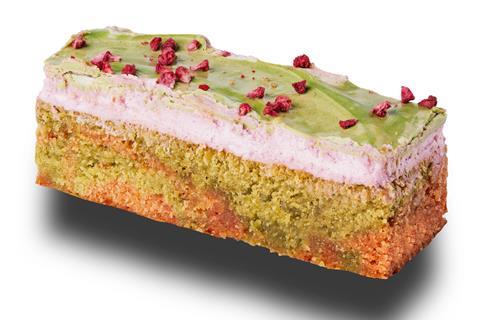
It’s a flavour profile which is particularly popular with younger generations as research from British Bakels found that 25% of 25-34-year-olds say they’re open to matcha in baked goods – more than double that of the general population (10%).
With matcha’s phenomenal rise in popularity, several experts are predicting a rise for other types of tea and beverages in the bakery world. Flavours such as Earl Grey, chai, and rooibos “translate beautifully” into cakes, biscuits, and pastries, says Gabriel, as they add “sophistication without alienating consumers”.
Earl Grey is leading the pack with several options on the market including a purple hued Earl Grey Cake from London-based business Vida Bakery which is infused with Earl Grey tea and delicate bergamot flavour. There’s also a Blackberry & Earl Grey Cake from Cakesmiths, and several Earl Grey fruit cakes on the market including one from Daylesford Organic, Abel & Cole, and Somerset’s Pullins Bakery.
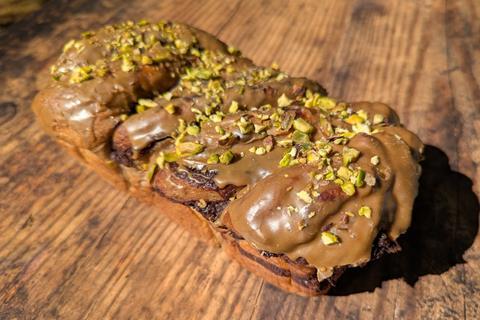
Chai is also gaining traction thanks to its warming spices with the winner of New Bakery Product of the Year – a Dirty Chai, Chocolate & Pistachio Babka from Patisserie Mark Bennett – embracing it.
Bold, beautiful, fabulous, and fruity
2026 is the year of bold fruits so get ready to dial up the sourness, tang, and tartness as the likes of yuzu, mango, rhubarb, and cherry take hold.
“Bakery with a tangy twist is big news this year, with sour and zesty flavours coming from citrus fruits like yuzu as well as sour cherry – for a simple, refreshing take on bakery classics,” says Philippa Knight from Puratos UK.
It’s a view echoed by Ross Lowrey-Heywood, innovation manager for Finsbury Food Group, who notes that taking classics like carrot cake and infusing it with yuzu, mango or passionfruit, helps to reimagine them in modern formats that bring texture and indulgence. This, he says, taps into demand for flavours that are “nostalgic but elevated”.
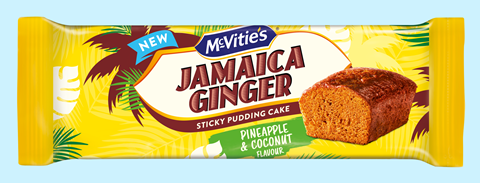
McVitie’s, for example, sought to embrace several bold flavours last year as it rolled out new variants of iconic products, including Yuzu Lemon Jaffa Cakes and Pineapple & Coconut Jamaica Ginger Cake.
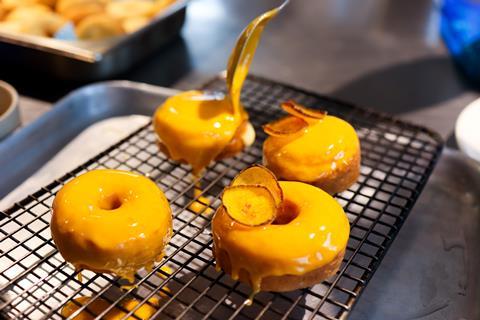
Free-from doughnut specialist Borough 22 utilised Caribbean soursop fruit for a limited-edition treat created in collaboration with Kerth Gumbs, the Anguillan-born chef behind Sky Garden’s Fenchurch restaurant. The resultant doughnuts, designed to celebrate their Caribbean heritage, come in two formats – ones filled with creamy soursop custard centre, mango glaze, and crispy plantain chips, and ring doughnuts with a mango glaze and crispy plantain chips (see photo below).
Chief among the flavours to be on the upward trend is yuzu. “Yuzu offers a fresh, aromatic citrus note that is lighter and more complex than traditional lemon and continues to add value to both desserts and bakes,” explains Jacqui Passmore, marketing lead West EU & AMEAP at Dawn Foods.

But unfamiliar consumers will still need some familiarity before branching out. Enter chocolate. “The most popular flavour of all – chocolate – is a familiar ingredient to use alongside these more unusual flavours. Pairing matcha or yuzu for example with chocolate is more likely to encourage consumers to try these newer flavour profiles,” Passmore adds.
Not only do many of these fruits come with bold flavours, but they also have bold colours to match. This, according to Samantha Winsor, marketing manager at Lantmännen Unibake will be key in 2026.
“Tropical flavours, such as mango and passionfruit, will become much more visible in 2026, especially in Danish formats where bright, fruit fillings provide visual appeal and seasonal flavour, which is so important in keeping shoppers engaged in the category,” she says.
Another reason for the increased interest in fruits is the health connotations that come with them, even in indulgent products.
“Palates are evolving away from intensely sweet flavours towards more balanced, bold and functional profiles, particularly citrus and spice,” notes Dan Jones from British Bakels.
“This is partly influenced by growing health consciousness and the rise of GLP-1 medications, which are changing how consumers experience sweetness, richness and volume. As a result, flavours that refresh, cleanse or stimulate the senses, such as citrus, sour-spicy combinations, and aromatic ingredients are gaining momentum,” he adds.
“These flavours are not about excess or novelty for novelty’s sake; they are designed to work harder in smaller portions and deliver satisfaction through balance, contrast and function”
As such, these flavours are “being used deliberately, often in smaller formats, and paired with textures or complementary ingredients to maximise sensory impact”, Jones says. He serves up inspiration such as makrut lime & coconut glazed scones, finger lime & ricotta Danishes, where the ‘caviar-like’ pearls are baked into cheese fillings or sprinkled post-bake to add bursts of acidity and interest, and calamansi & ginger muffins which sees the citrus sharpness balanced with spices.
“What sets this wave of flavour innovation apart is its intentionality,” Jones adds. “These flavours are not about excess or novelty for novelty’s sake; they are designed to work harder in smaller portions and deliver satisfaction through balance, contrast and function.”
The combination of citrus and spices also fuses ingredients which are traditionally used at different times of the year (zesty citrus in spring/summer and warming spices in autumn/winter) opening up the window of opportunity for the resultant products.
“Pairing these flavours with spice brings real warmth, particularly during the colder months of the year, think mango with ginger or yuzu with black pepper,” adds Finsbury’s Lowrey-Heywood.
Around the world in 80 bakes
“The next wave of bakery flavours is being driven by global inspiration,” declares Stéphanie Brillouet, marketing & innovation director at Délifrance.
This, naturally, taps into some of the trends above with the likes of matcha, yuzu, and more heralding from lands far away. But their popularity signals a wider trend for flavour exploration.
“A major driver is the growing consumer appetite for global cuisine, fuelled by travel, social media and the street-food movement. Over half of consumers now actively seek out new cuisines when eating out, with authenticity and flavour experience top of mind,” she explains. “Bakery formats allow these influences to be delivered in familiar, accessible ways.”
Passmore at Dawn Foods highlights Mintel research that shows that 60% of UK bakery shoppers would like to see more global baked goods or pastries, and this interest rises to 78% among 16-34-year-olds. Notably, Londoners show strong enthusiasm, with 67% interested in global baked goods. She points to Japan, the Middle East, South America, and the Caribbean as some places British bakers are pulling on-trend flavours from.
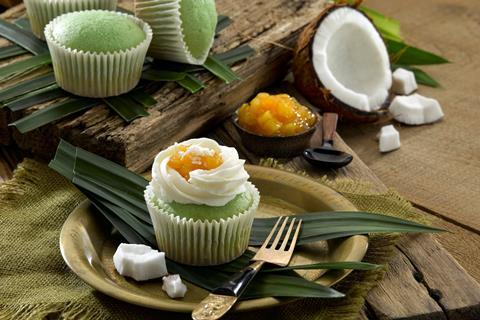
“Pairing adventurous flavour profiles with familiar format… gives bakers and consumers alike the opportunity to ‘dip a toe in the water’ with a new flavour,” Passmore adds, offering rose & pistachio Victoria sponges or mango, coconut & pandan cupcakes (pictured above) as examples.
Cuisines with warming spices and a chilli kick are among those winning over consumers in both the sweet and savoury space, with Italian, Middle Eastern, Korean and Latin American flavours “translating particularly well into bakery-led food-to-go”, according to Brillouet at Délifrance.
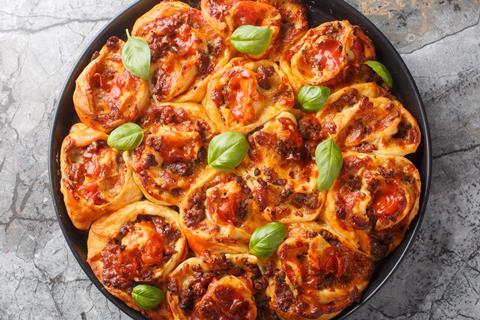
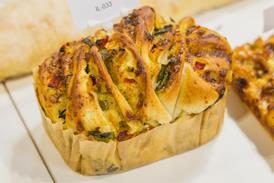
“Savoury viennoiserie is another emerging trend, blending the comforting familiarity of pastries with adventurous global spices and fillings,” says Brillouet. “Ingredients like Mediterranean herbs and Asian aromatics along with unexpected additions like pistachio are redefining croissants and pastries, appealing to consumers who want familiar formats with a flavour-forward twist.”
Winsor at Lantmännen Unibake, meanwhile, highlights the increase of additional flavours in speciality loaves which is “increasingly expressed through inclusion formats”.
“Consumers tell us that inclusions signal both quality and functionality, which is why combinations like coffee and date, spiced and citrus fruits, or currants with vanilla are growing in appeal. Our research confirms that inclusions are one of the top drivers of trial in speciality bread, especially when the ingredients are recognisable and visually present,” she explains.
Deeper, richer, toastier

Salted caramel is just part of the furniture these days. Its inclusion still denotes premiumisation and balance, promising a product which isn’t just sweet, but it’s now a stalwart rather than trending flavour. Its phenomenal rise to popularity and endurance is noteworthy, but what’s next?
“In 2026, it’s about depth and discovery,” explains Ross Lowrey-Heywood, innovation manager for Finsbury Food Group, pointing to miso caramel, smoked caramel, or brown butter dulce de leche. “This provides an unexpected, contemporary twist on what is a traditional, comforting flavour, going one step further than salted caramel,” he adds.
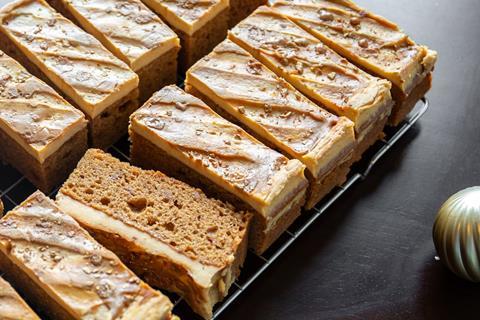
Chris Giddings, commercial director at Cakesmiths, which specialises in cakes for coffee shops, describes these types of flavours as “cosy, indulgent, honeyed”. Miso salted caramel, brown butter, and cinnamon can “feel elevated and premium yet remain sellable and approachable for less adventurous consumers”, he believes. Cakesmiths looked to capitalise on this with its Brown Butter Caramel & Cinnamon Cake which comprises a toasty brown butter and cinnamon-infused sponge studded with toffee and topped with a smooth caramel cream cheese frosting. Each slice is finished with a swirl of buttery caramel and gold-lustred chunks of toffee.
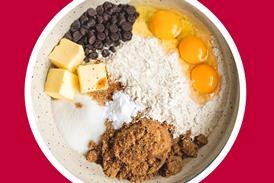
Liz Gabriel at I.T.S describes brown butter as “a baker’s secret weapon” as it brings “warmth and sophistication to familiar formats like cookies, blondies and cakes”.
It’s frequently used by chefs to impart a deeper, nuttier flavour to dishes and is now gaining traction across the wider food sphere, with examples in grocery including Little Moons’ Brown Butter Mochi and Roasted Pumpkin & Brown Butter Ravioli from M&S.

In bakery, it pops up in Brown Butter Financiers from Gail’s and Blonde Chocolate & Brown Butter Brookies made by Dromore-based Grahams Bakery. The ingredient also made an appearance in several mince pies in 2025, including Waitrose’s Brandy Buttercream Mince Pies which features brown butter pastry, and Brown Butter & Toasted Almond Mince Pies from Cutter & Squidge.
Another flavour in the brown palette to bring its flavour to bakery this year is tahini. Conveniently, it also taps into demand for Middle Eastern flavours, as Dawn Foods’ Passmore explains: “Mintel highlights tahini with its subtle savoury, nutty profile as an emerging Middle Eastern flavour. It can add depth and balance, particularly when paired with chocolate, honey or caramel.”






No comments yet