














A new annual campaign created to celebrate, support, and accelerate the regenerative farming movement across the UK is set to launch this September.
It comes at a time when new research has found 80% of British farmers surveyed saying they have adopted or are planning to adopt regenerative farming practices.
Taking place from 12 to 19 September, British Regenerative Farming Week will bring together farmers, food businesses, retailers, bakeries, manufacturers, sustainability teams, and supply chain partners around one shared aim: to champion farming practices that restore soil health, support biodiversity, strengthen rural communities and build a more resilient food system.
The campaign has been created and sponsored by ingredients supplier Eurostar Commodities, which launched its regenerative flour brand Rise Re:Gen last year. Throughout the week, organisations will be encouraged to share farmer stories, host farm walks, run customer campaigns, create regenerative menus, organise team learning sessions, publish progress updates and support schools and communities with educational resources.
Retailers and food brands can take part by highlighting products linked to regenerative supply chains, sharing educational content and creating dedicated point of sale and digital storytelling. Bakeries, restaurants, cafés and foodservice operators can mark the week with a special dish, loaf, pizza, pastry, or menu feature using ingredients sourced from regenerative farms.
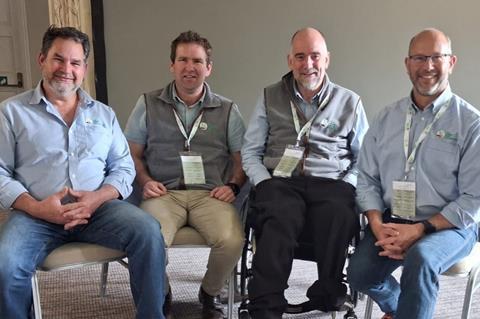
“British Regenerative Farming Week is about creating a clear, credible and national moment for a movement that is already reshaping the future of food and farming,” commented Tim Parton, a farmer producing wheat for the Rise Re:Gen range who also helped initiate The Green Farm Collective.
“Regenerative farming has the power to connect people with the soil, nature, farmers and supply chains behind the food they eat. By bringing stories, resources and activity together in one place, we want to build recognition, participation and momentum year after year,” added Parton.
More information and resources on the campaign can be found on the Rise Re:Gen website.
Financial pressures causing change
The increased adoption of regenerative farming practices in the UK has been highlighted in a newly published report by Barclays.
Based on results from a May 2026 survey conducted on the bank’s agricultural customers, the report entitled ‘Resilience in the Field’ found that 56% of the 223 farmers that responded have already adopted regenerative practices, while a further 24% plan to do so.
This shift is being driven by immediate commercial pressures, noted Barclays. Two-thirds of the farmers (66%) identify rising input costs as their biggest challenge over the next 12 months, while 77% say they have experienced the effects of changing climatic conditions on their farm. Among those affected, 72% report drought, 71% greater weather variability, and 55% increased rainfall.
Farmers are responding through a range of practical, farm-specific measures, with 65% already reducing pesticide or herbicide use, and a further 14% intending to act. Technology has been adopted by 52% to improve efficiency, while another 30% plan to.
However, the findings also show that many farmers are navigating complex changes with limited formal support, said Barclays. More than 60% of the survey respondents have developed their transition plans themselves, while only 22% planned their interventions with an independent adviser.
“Barclays has been backing UK farmers for more than 280 years, so we understand that major changes to a farm business must be commercially grounded and supported over the right timeframe,” said Wayne Astridge, head of agriculture & landed estates at Barclays Business Bank. “What this survey tells us is that, as an industry, we have matured our understanding of the business case for transition.
“Whether the drivers of that change are commercial, environmental, or a combination of both, the fact that 80% of surveyed farmers tell us they are already adopting or planning to explore regenerative and sustainable agriculture practices is significant and worth exploring,” he added.
Meanwhile, a fund designed to accelerate the uptake of regenerative agriculture in the UK has been created through a partnership between Wildfarmed and Lloyds Banking Group. The Food & Nature Resilience Fund aims to encourage farmers of the UK’s three million hectares of arable farmland to transition to nature-positive farming.














No comments yet