











Progress in areas including renewable energy, waste management, responsible sourcing, and employee engagement at Pladis have been highlighted in its Sustainability Report 2024.
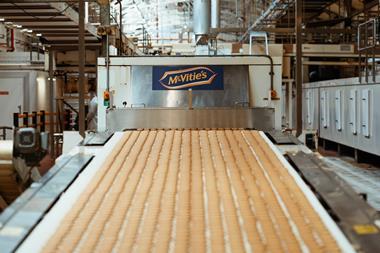
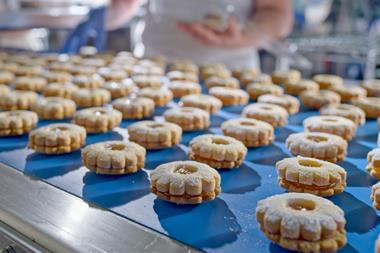
The snacking manufacturer produces brands including McVitie’s, Jacob’s, and Carr’s and employs 16,000 people across 27 bakeries in 11 countries worldwide, including 10 sites in the UK.
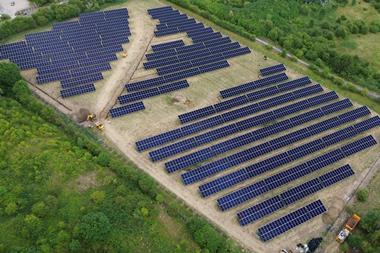
In pursuit of its commitment to reach net zero emissions by 2050, Pladis cut 21,000 tonnes of carbon from its global operations in 2024, whilst continuing to expand renewable energy as well as stewarding precious resources such as water.
Among the achievements last year at its UK sites were powering them by 100% renewable electricity through the Renewable Energy Guarantees of Origin (REGO) scheme, installing thermal solar panels to supplement office heating at the Halifax factory, and implementing small windmills at the McVitie’s bakery in Harlesden to power signage lighting.
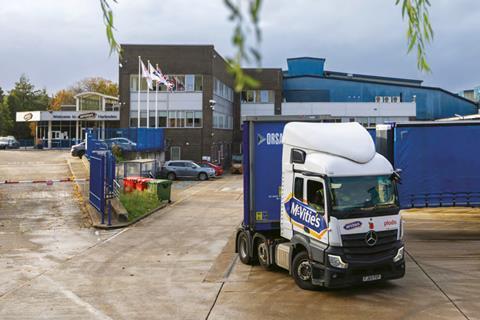
At its Midlands Distribution Centre in Ashby-de-la-Zouch, a total of 1.8m litres of rainwater is harvested annually through a recycling system on the roof, which is reused in on-site facilities.
Waste reduction at Pladis was enhanced through an ongoing collaboration with TerraCycle, which has helped divert over 23.6m wrappers from landfill as of the end of 2024 – the firm also provided £233,000 to charity as part of the incentive scheme. According to internal metrics, Pladis now has 90% of its plastic packaging across all global lines being reusable, recycle-ready or compostable, which its looking to increase to 100% by the end of this year.
The London-headquartered manufacturer has been running its Back to Farm direct wheat sourcing initiative in the UK since 2013, partnering with over 200 wheat farmers in Northumberland and East Anglia and allowing it to secure access to local biscuit wheat and incentivises environmental programmes.
In Northumberland, for example, farmer cooperatives have reintroduced 457 bee hives – the equivalent of around 10 million bees – whilst also keeping a percentage of the grain crop aside to feed local birds in winter and maintain hedgerows.
Traceability, meanwhile, was noted an important step in achieving Pladis’ goal of deforestation-free palm oil. Several of its key markets including the UK, the European Union, and the US have already achieved between 92% and 100% traceability to mill (TTM). In addition, its ‘Beyond Cocoa’ strategy for responsibly sourced cocoa – with a target of 100% deforestation-free cocoa by 2030 – has seen it rise the ranks and into the top 10 companies participating in methodological survey, the Chocolate Scorecard.
Pladis said it further enhanced employee wellbeing and learning initiatives in 2024, including with the launch of its global Life Transitions pledge and of new training academy, Thrive, which engaged over 90% of eligible employees. The business also looked to benefit local communities in need, with a partnership with The Trussell Trust leading to the donation of over 8,000 kg of food last year, equivalent to nearly 20,000 meals.
“People know us for our brands but what that they might not know is our company is still extremely young – nine years old in fact,” commented Pladis’ chief sustainability and corporate affairs officer, Anisa Missaghi. “That means we’ve been on a very accelerated sustainability journey, to create plans and programmes that build our resilience and those of the communities and suppliers we work with.”
Pladis is looking to cut a further 876 tonnes of carbon emissions per year across its UK operations as part of a £68m investment in various site upgrades, which it unveiled last month.






No comments yet