








- Publication date: Wednesday 16 September 2026
- Editorial submissions deadline: Friday 28 August
- Editorial contact: Vince Bamford, vjbamford@googlemail.com
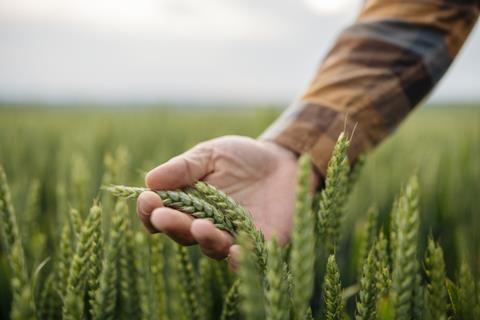
Regenerative agriculture has gathered pace over the past few years, going from a niche topic to something on many firms’ sustainability priority list. With the first ever British Regenerative Farming Week set to take place this September, British Baker asks what does regenerative farming actually mean in 2026? And, with continued pressure on costs, does the business case stack up for bakers?
Key questions/themes this feature will explore:
- What progress has been made so far on the adoption of regeneratively farmed wheat and other grains by bakery operators?
- Who are the key players, both from the supply chain and bakery manufacturers, and what are they bringing to market? How has this changed over the past couple of years?
- Is the industry any closer to a single definition of regenerative agriculture? Does this matter in 2026 and could this change in the future?
- What impact could a lack of definition have on the widespread adoption of the practice?
- How can bakers ensure sustainability claims are verified?
- Discuss the challenges facing the widespread adoption of regeneratively farmed wheat such as yield, protein levels, cost, availability, etc.
- With more suppliers entering the market with regeneratively farmed ingredients, what are they doing to stand out?
- What is the current view on mass balance vs segregated production? How important is this to bakery operators? And what are the challenges faced with the latter?





No comments yet