








Success in the bitesize bakery treats space has led Premier Foods to better-than-expected profits in FY26.
The St Albans-based manufacturer reported that trading profit was up by 6.7% to £200.4m for the 52 weeks ended 28 March 2026, while headline revenue rose 2.5% to £1.2bn. This was driven by its branded ranges, which saw an acceleration of sales growth to 4.7% in the second half of the financial year.
As with other recent trading updates, it was the Sweet Treat division of Premier Foods that posted the biggest gains with revenue increasing by 5.5% to £315.1m. Similarly to its half-year results, the branded segment of the division – comprising Mr Kipling and Cadbury cake – was propping up this growth, leaping 7.3% to reach £250.7m.
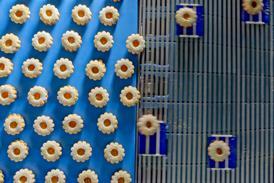
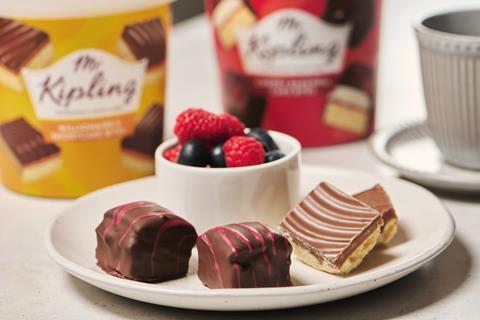
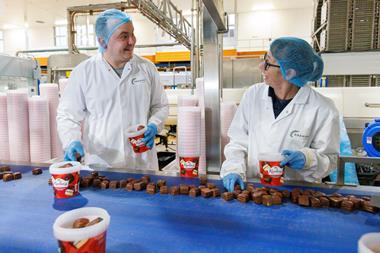
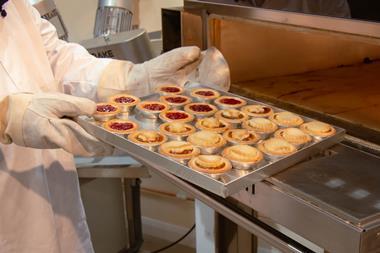
The company explained that the performance was due to consistent delivery of its ‘Branded Growth Model’, in particular the strength of its product innovation programme. This had resulted in volume growth throughout the year, it said, singling out Mr Kipling Cake Bites tubs for leading the way by tapping into the trend for sharing and bitesize treats.
“One of the things we have seen is when people want to treat themselves,” commented Premier Foods CEO Alex Whitehouse. “They want it to be worthwhile and indulgent, but they might only want a small amount. This is one of the reasons we believe this range has done so well, as they are catering to the trend to treat yourself with a small, bitesize treat.”
Whitehouse noted the Cake Bites built on innovation success in previous years, such as its Mr Kipling Birthday Cake Tarts, Breakfast Bakes, and Lunchbox cake slices. “When you bring all that together, it is one of the main reasons why this has in fact been Mr Kipling’s biggest ever year,” he added.
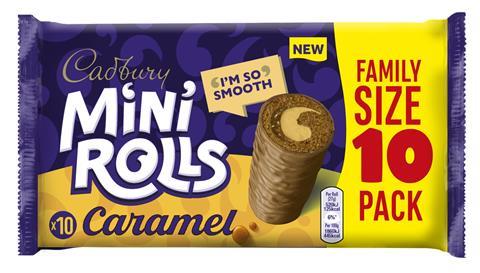
A notable launch for Cadbury cakes during the period was the Caramel variant of its Mini Rolls range.
As of 28 March 2026, net debt at Premier Foods was £95.2m, representing a £48.4m reduction compared to the year prior. This afforded a record-low leverage (net debt/adjusted EBITDA) of 0.4x, which enabled a 25% increase of capital investment in the business up to £52m over the past year.
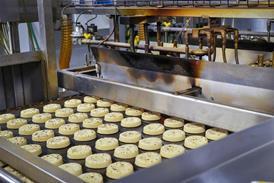
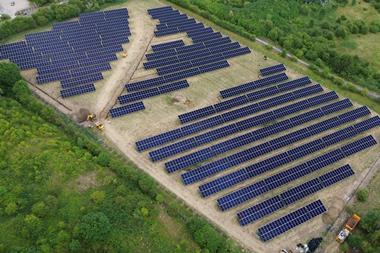
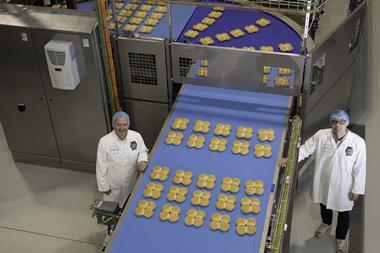
Whitehouse revealed the firm had made a series of “very significant investments” during FY26 including at its Carlton Bakery in Barnsley where it completed a £2.1m solar farm last October to provide up to 70% of peak electricity needs. The site produces around one billion cakes per year including the majority of Mr Kipling lines.
“Those investments help us to improve our efficiencies and keep prices low for consumers, while also helping us to create more growth and more opportunities for our brands,” said the CEO.
The transformation of its financial position has also seen Premier Foods announce a 20% increase in its dividend to 3.36p per share – more than triple that from FY21 – with plans to introduce an interim dividend in FY26/27. Additionally, the pension scheme was in a surplus of £501.8m and would cover administration costs itself, saving the company £5m annually.
“Here at Premier Foods, we are what some will think is a relatively rare thing, a UK-based, UK-listed manufacturing business that employs over 4,000 people across the UK, that runs 13 sites and offices in all parts of the country, and delivers profitable growth while also looking after our colleagues and our pension scheme members,” said Whitehouse.




No comments yet