










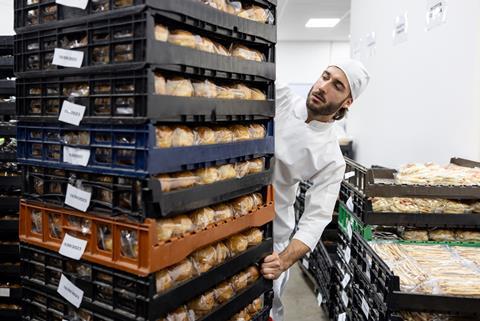
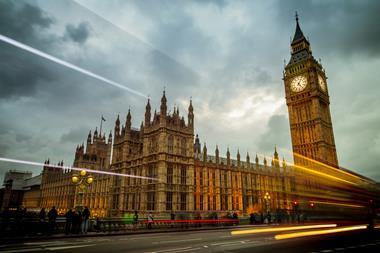
The government is seeking views on its proposed suspension of import tariffs on select products, including certain bakery items, to ease the cost-of-living crisis.
However, warnings have already emerged about the devastating impact this may have on UK food producers and manufacturers.
A new tariff suspension package for agricultural products like cocoa butter and fruits was announced in April in response to the Middle East conflict putting significant upward pressure on prices for consumers.
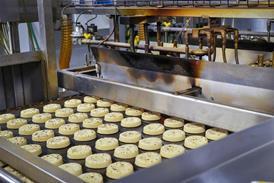
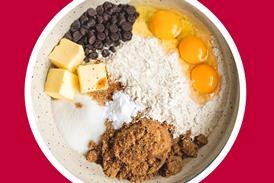
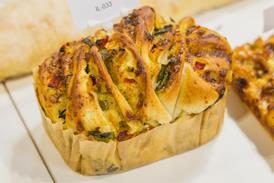
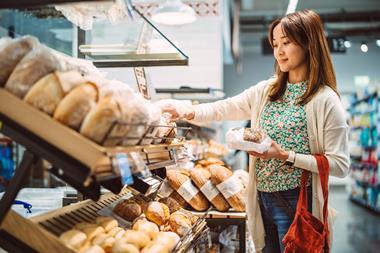
The government is now considering a potential second package that removes tariffs for foodstuffs, fertilisers, and kerosene. Among the food items listed are bread, pizzas, quiches, toasted products, crispbread, gingerbread, sweet biscuits, waffles, and wafers. It also includes ingredients and inclusions such as edible fats and oils; cocoa powder, chocolate in all forms, marzipan, caramels, dried fruits, and nuts.
Before proceeding with the package, a consultation has been launched to hear from key industry stakeholders on whether it will have an effect on domestic business. This closes at 11:59pm on 24 June 2026, with tariff cuts expected to remain in place until 31 December 2028.
In an article published on its website, the National Farmers’ Union (NFU) said the government should be looking to strengthen domestic food production rather than seeking solutions overseas.
NFU President Tom Bradshaw noted how almost 90% of the UK’s food imports are already duty free, adding “we are not convinced that removing more tariffs will help curb food price inflation”.
“As consumers are facing the prospect of higher food prices, farmers too are bearing significant cost increases due to the conflict in the Middle East,” he said. “The government’s decision to remove tariffs on a selection of imported grocery products sends a worrying signal – that at times of crisis, its instinct is to look overseas rather than to strengthen domestic food production and reduce exposure to global shocks.”
Bradshaw highlighted the government’s new Farming and Food Partnership Board, which had been created to build resilience and confidence across the farming sector – “that’s what needs our focus,” he added.
“Supporting our food producing businesses will ensure a strong domestic supply of food, with farmers and the public less vulnerable to global price shocks, meaning food price stability and long-term affordability. Chasing cheap food in the short-term threatens to undermine our long-term domestic food production and the shared ambition for a sustainable food system,” commented Bradshaw.
Karen Betts, chief executive of The Food and Drink Federation (FDF), agreed that removing tariffs on products that businesses make in the UK undermines rather than supports those businesses and the people they employ. “Instead, government should remove tariffs on ingredients and address the root causes of food inflation, including by rigorously prioritising burdensome regulation. Otherwise this risks benefiting overseas manufacturers at the expense of our domestic food system,” she added.
The war in Iran has seen input prices soar even higher in the food manufacturing sector, particular in energy and fertiliser. This has resulted in confidence among businesses to plummet to -64%, its lowest levels since the 2022 invasion of Ukraine. The FDF has revised its 2026 food inflation forecast up to at least 9% by the end of the year.



No comments yet