












With the UK government backing major reforms to modernise the food safety system, the way businesses are inspected and monitored is set to change significantly.
Plans from the Food Standards Agency include a shift toward more national oversight of large food businesses, alongside proposals to strengthen enforcement powers, introduce more data-driven and risk-based inspections, and potentially make food hygiene rating displays mandatory in England.
Here Katherine Pavling, head of product at compliance training platform Virtual College, reveals what businesses including bakeries should expect from these reforms including a shift towards more targeted and, in some cases, more frequent scrutiny.

“While the move toward greater national oversight, particularly for larger operators, may sound like a structural change, inspections on the ground will remain a key part of enforcement.
The difference is that regulators will increasingly use data and intelligence to decide where to focus their efforts, meaning businesses with gaps in compliance are more likely to be identified quickly. At the same time, proposals like mandatory hygiene rating displays will make standards more visible than ever to customers.
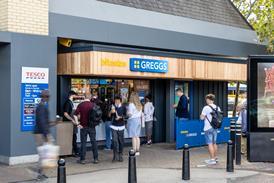
In a bakery context, large businesses such as Greggs are likely to face more consistent, centralised scrutiny across all of its locations, with greater expectations around data and standardised safety procedures. Meanwhile, independent high street bakeries will continue to be inspected locally but on a more risk-associated basis, meaning lower-performing shops may see more frequent checks while compliant ones face a lighter touch.
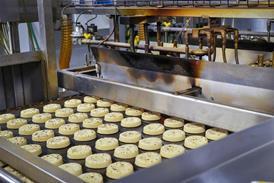
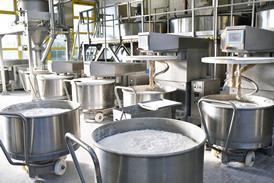
Wholesale and manufacturing bakeries will also come under increased pressure to maintain clear traceability records and respond quickly to any food safety issues, while online or delivery-only bakery businesses are expected to face growing scrutiny as oversight evolves. In-store bakeries within supermarkets like Lidl and Asda will face the same oversight as the rest of the supermarket, so will likely be subject to central monitoring as well as local inspections.
Rating rights
A recent survey we carried out found that 40% of people avoid venues with a food hygiene rating of three or less and 19% choose where to eat based on food hygiene ratings more than the menu, showing that good food hygiene standards go beyond public health and affects the reputation and success of food businesses.
A food safety system based on HACCP principles (Hazard Analysis and Critical Control Points) is a legal requirement for businesses in England that helps to identify potential hazards in food handling and putting controls in place to prevent those risks. In practice, this means things like setting rules for cooking temperatures, keeping food stored correctly, cleaning regularly, training staff, and keeping records to prove everything is being done properly. During a hygiene inspection, the inspector will look at these procedures and records and check that staff are following them in practice and ensuring hazards are properly identified, monitored, and controlled to keep food safe.
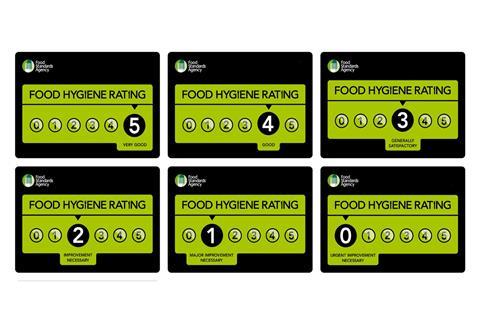
Should businesses feel a rating does not accurately reflect their standards, there’s a right to challenge or appeal the outcome of an inspection, as well as the opportunity to request a re-inspection once improvements have been made. This ensures the system remains fair, while still holding businesses accountable to the compliance measures designed to protect public health.
Staff training
While the law doesn’t require a specific training qualification, it does require that all food handlers are adequately trained or supervised, which means they need to understand safe food handling, hygiene practices, and allergen awareness relevant to their role.
Most businesses support this through recognised courses, such as ’Achieving a Five Star Food Hygiene Rating’ training by Virtual College, which provides practical guidance on how inspections are scored, how to meet hygiene standards, and how to achieve top ratings.
The most important is that businesses have a clear and effective food safety management system in place, and that staff are properly trained appropriately to follow it in practice.”





No comments yet