











A recent viral Instagram reel from the Real Bread Campaign challenged retailers and bread brands use of ‘fermented wheat flour’ in sourdough product labelling, and queried why they choose not to name propionic acid in the ingredients list amidst their clean label and preservative free claims.
Here Stanley Cauvain, director of international bakery consultancy BakeTran, shares his knowledge on fermented wheat flour and offers his opinion on the labelling debate.

“I was recently asked if I could explain what fermented wheat flour is and what functions it would have in breadmaking. While the questions are simple, the answers are not.
Fermentation involving wheat flour is complex. Bakers tend to think of fermentation as only involving the production of carbon dioxide gas, but it also involves a lot of enzyme activity and the production of many different by-products, called metabolites.
The latter includes a range of organic acids such as acetic, lactic, and propionic, all of which contribute to the lowering of the dough pH and the acidic flavour notes associated with bread baking.
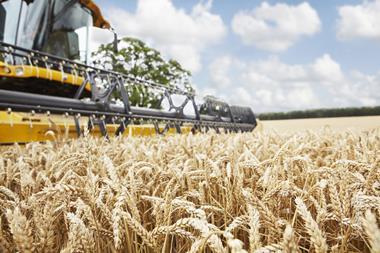
The manufacture of organic acids during wheat flour-based fermentation depends on many factors including the types of microflora in the flour, the ratio of water to flour, the temperature of fermentation, and the length of fermentation time. Wheat flour contains a naturally rich mix of microflora which come into the mill with the wheat from the field and other microorganisms collected from the atmosphere during processing. The microflora will be dominated by the so-called ‘wild yeasts’ (which includes saccharomyces species) and lactic acid bacteria.
Each of the microflora species present in the dough has its own set of preferred functioning conditions. The microflora cells are equipped with a cocktail of enzymes which allows the organism to make use of available substrates (foods if you like). In principle, this means that the composition of the products of fermentation – carbon dioxide and acids – will vary.
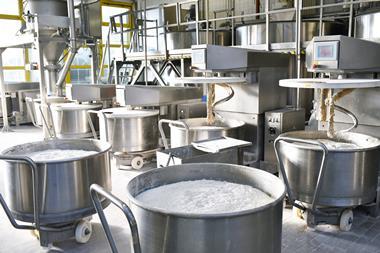
By standardising the nature of the flour microflora and the conditions of fermentation, you are to more closely define the resulting products and turn these into a dry powder. Even when the fermentation is carried out under controlled conditions, there will always be a mix of organic acids present in the final powder.
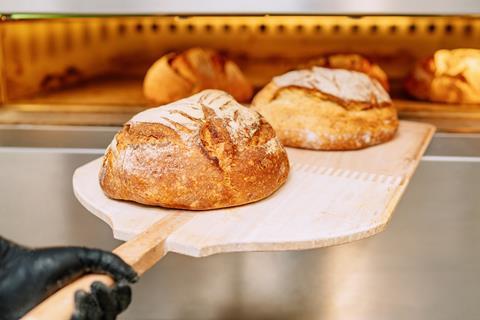
It is worth remembering that bread crust is ‘sterile’ when it leaves the oven but becomes ‘contaminated’ by mould spores from the bakery atmosphere as it cools before wrapping. The presence of organic acids in fermented wheat flour will lower the dough and resultant bread pH and as such, will contribute to the inhibition of mould growth during subsequent storage. The contribution of fermented wheat flour to delaying mould growth on bread will depend on the mix of organic acids and their levels.
In the same discussion the issue of ingredient declaration was raised. This is not my area of specialism; however, I make the observation that this also is not a simple issue. Fermented wheat flour will always be a mix of different compounds, as would be the case with any dough which has been fermented.
Speaking personally, I would certainly expect the addition of fermented wheat flour to be separately listed on the ingredients declaration but including an analysis of its individual components would seem unnecessary, not least because analysis which identifies the natural metabolites of fermentation will not differentiate between what came in with ingredients and those formed during dough mixing and processing.”








No comments yet