













Three poor harvests in a row may have cost arable farmers almost £5bn in lost revenue.
That is the estimate given by climate and energy analysts The Energy and Climate Intelligence Unit (ECIU), who have compared the 2014-2023 ten-year average production of wheat, barley, oats, and oilseed rape with the shortfall over the past three years.
Against the ten-year average, the deficit was 4.3m tonnes in 2024 and 4.2m in 2025 with the ECIU stating a projected 5.9m in 2026 based on Agriculture and Horticulture Development Boards (AHDB) estimates.
When these years and the historical average are both adjusted for inflation, this is estimated to have cost farmers £4.8bn.
“This summer’s extreme heat and relentless drought has been a terrible blow that has left farmers facing the third poor harvest in a row,” said ECIU land, food and farming analyst Tom Lancaster.
“Our farmers are now on the front line of climate change, which is taking a relentless toll on their ability to grow and harvest the crops we all depend upon.”
He added that vegetable growers, livestock farmers and many in the wider food supply chain also being hit by these climate costs.
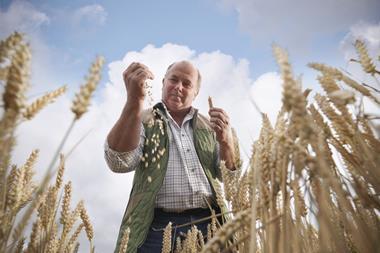
Cambridgeshire-based arable crops farmer Martin Lines said three terrible harvests in a row had been devastating for his business and the farming sector as a whole.
“Anyone who thinks that climate change isn’t something to worry about needs to spend a day in a farmer’s boots,” he added. “Our industry desperately needs politicians and the supply chain to take the threat of climate change to our food security much more seriously. We need support to reduce emissions and boost the resilience of UK food production and can’t afford that alone while climate change is hitting our bottom line so relentlessly.”
In an update last week, AHDB reported that, with 94% of the wheat harvest in, the yield is 6.8 tonnes. This is 12% below the UK five-year average, a benchmark that was already low because of the weak crops in 2024 and 2025.







No comments yet