







Changing work patterns and increased snacking mean traditional mealtimes are no longer the norm for many Brits, according to ingredients supplier Macphie.
The Scottish business said it is seeing increased demand for ingredients suited to snacking products and quick on-the-go meals as its customers meet the changing demand of consumers who no longer eat the traditional three meals a day.
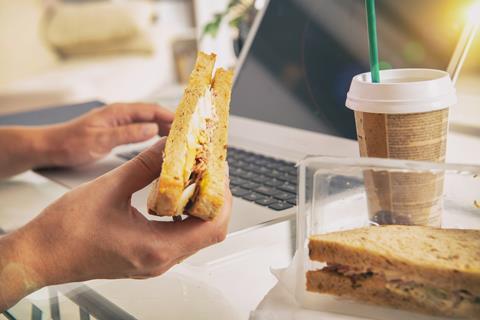
Citing Mintel data (2025), Macphie reported that more than 80% of the UK population snack between meals, while a survey of 1,000 office workers by Moneypenny found that 60% eat lunch at their desks.
“People are no longer eating to a fixed timetable and that has real implications for how bakers and manufacturers think about format, portion size and flavour,” said Macphie brand manager Kirsty Shaw. “We would expect more manufacturers to lean further into flexible, snackable formats over the next few years as work and lifestyle pressures continue to blur the old boundaries between breakfast, lunch and dinner.”
She added that trends such as ‘girl dinners’ are one expression of consumers wanting food that fits around their day rather than the other way round. It has also driven the rise of the ‘picky tea’ that features in many supermarket promotions.
Meanwhile, research published by AXA Health in 2025 found that fewer than half of families (43%) eat together every day, despite more than three quarters of parents saying they would like to do so more often.
“For our customers, that means there is an opportunity for products that work just as well as a quick bite at a desk as they do as part of a bigger spread shared at home,” said Shaw. “Whether it’s individually portioned bakes, sauces that lend themselves to sharing platters or recipes that hold up well when eaten cold or on the move, the manufacturers who get this right stand to capture a growing share of how people are actually eating today.”
Bakers are tapping the changing demands of consumers with products including:
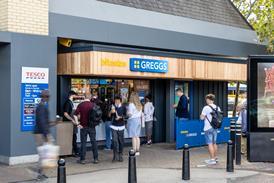
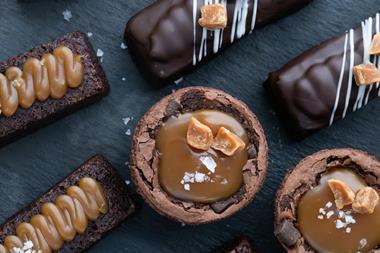
- McGhee’s Bakery’s individually wrapped empire biscuits and caramel shortcake that went into Tesco meal deals across Scotland
- Mrs Crimble’s Gooey Strawberry Jammy Sponges that are individually wrapped for snacking on the go
- M&S’s summer bakery range that featured loaded doughnuts and cookie cups made for solo snacking
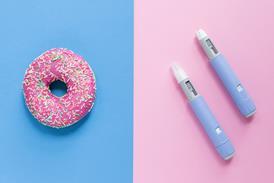
Also reshaping the food market is the adoption of GLP-1 weight management drugs, with consumers seeking smaller portions and nutrient-dense products.
“We are keeping a close eye on how these habits continue to evolve,” adds Kirsty. “The growing use of GLP-1 treatments is another factor influencing how people eat, with smaller portions becoming increasingly relevant.”
British Baker recently examined what the rise of GLP-1 treatments could mean for bakery. Read the feature here.






No comments yet