















New research has revealed a striking gap in public awareness ahead of upcoming changes to advertising rules on less healthy food.
Global marketing group Dentsu conducted a survey on a nationally representative sample of 1,200 UK consumers for the latest edition of its quarterly Consumer Navigator report – entitled ‘The UK’s New Appetite’.
It found 60% of respondents claiming they have never heard of the new ad restrictions on foods high in fat, salt or sugar (HFSS), which are coming into force on 5 January 2026 following several delays.
Once informed, however, around two-thirds (67%) said they supported the measures and nearly three-quarters (74%) believed they will help promote healthier eating habits, suggesting a strong public appetite for change.
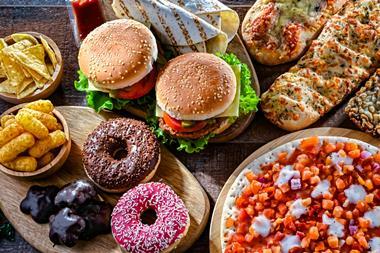
The new rules aim to reduce exposure to marketing of less healthy foods marketing, particularly among children. Bakery products within scope of HFSS include the likes of pre-packaged cakes, biscuits, morning goods, and pizza, while loose items such as those at in-store bakery formats are out of scope.
With awareness of the restrictions so low among UK consumers, the impact could be muted unless brands and policymakers step up communication, said Dentsu.
The report also highlights that:
- Consumers want leadership – 44% believe food brands should take responsibility for making products healthier, which is more than government (31%) or supermarkets (7%)
- Cost remains a barrier – while nine in ten people are trying to eat healthily, over a third of younger households say price puts healthier options out of reach
- There’s a trust deficit – only 18% fully trust health claims from food brands, and nearly a quarter don’t trust them at all.
Joe Molony, head of planning at Dentsu’s UK media agency Carat, said there is a clear disconnect between regulation itself and recognition of these new regulations. “If people don’t know the rules exist, their potential to change behaviour is limited,” he commented. “Food manufacturers and retailers have a role to play in making healthier choices visible, affordable and credible – because trust is the missing ingredient.”
Dentsu Creative UK&I CEO Jessica Tamsedge noted how people are looking to brand for leadership and confidence. “In the context of Less Healthy Food and Drink regulation, this is about making healthier choices feel rewarding, not restrictive,” she said. “Reformulation is expected, but creativity sells it. The brands that act quickly and collapse the false dichotomy between health and taste will set the standard for the next chapter of food marketing.”
Regulation alone won’t solve Britain’s diet challenge, suggests the report. It adds that, with obesity rates still high and cost pressures squeezing household budgets, the next phase of progress depends on collaboration between government, industry and media to ensure the public understands and embraces the changes.
Supermarkets have been restricted in their placings of HFSS items in stores since October 2022. Research carried out by the University of Leeds estimated that two million fewer HFSS products were sold per day after these regulations were put into effect.












No comments yet