










The Competition & Markets Authority (CMA) has accepted a request by Associated British Foods (ABF) and Hovis to fast-track its merger investigation.
This means the investigation will skip phase 1 – originally expected to be completed by 19 February 2026 – and will move straight into the in-depth phase 2.
The CMA’s phase 2 investigation will start immediately with a deadline of 24 June 2026 for it to reach a decision. Cyrus Mehta has been announced as chair of the independent inquiry group with Ashleye Gunn and Robin Foster as other members. An indicative administrative timetable is to be published shortly.
“We have accepted ABF and Hovis’ request to fast-track our investigation into their merger to an in-depth phase 2 inquiry, allowing the CMA to move at pace to an examination of the evidence by an independent inquiry group of experts,” said a spokesperson for the CMA. “Today’s step does not involve formal findings on any competition issues, and we will carry forward evidence gathered to date, with opportunities for further engagement and consultation during phase 2.”
Under provisions introduced by the Digital Markets, Competition and Consumers Act 2024, merging businesses can request their case to be fast-tracked to an in-depth phase 2 investigation without completing the phase 1 investigation. When deciding whether to accept such a request, the CMA considers the operation of the merger regime under the ‘4Ps’ – pace, predictability, proportionality, and process – which support growth and investment in the UK.
However, this does not mean that ABF and Hovis have conceded that the merger could reduce competition in the UK pre-packaged bread and bakery goods markets.
The merger was first revealed in August when, following months of speculation, ABF announced plans to buy Hovis from private equity firm Endless LLP.
The financial details of the acquisition, which will combine the production and distribution activities of the two firms, have not been revealed. However, the parties claim the move will drive ‘significant cost synergies and efficiencies’ to create a profitable business that is sustainable over the long term.
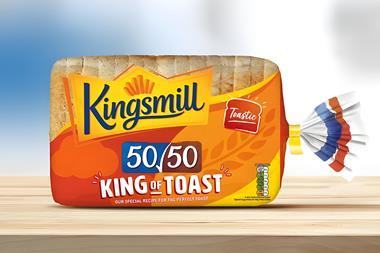
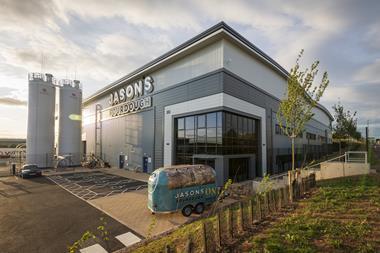
It comes amid an increasingly challenging period for the wrapped bread market which has seen sales decline by £64.4m over the past year as consumers turn to morning goods and speciality bread. However, this has seen some brands triumph. Jason’s Sourdough, for example, recently overtook Kingsmill (owned by Allied Bakeries) to become the nation’s third biggest bread brand.




No comments yet