











A new screening tool has been created to improve the quality and speed of gut-health product development for the food, beverage, and supplement industries, including bakery.
Called the Synbiotic Potential Score (SPS), the tool helps NPD teams identify which combinations of probiotics and prebiotic fibres work most effectively together.
It supports a more efficient and systematic way of identifying promising mixes early in development, reducing the time and resources that often go into a trial and error-based approach and consequently speeding up availability for use in new consumers products.
The SPS has been introduced as part of a new peer-reviewed study from research centre APC Microbiome Ireland at University College Cork, which was part-funded through grants from Tate & Lyle and Research Ireland.
Researchers screened eight probiotic strains and how they grew across a range of well-recognised prebiotic ingredients, including Tate & Lyle’s Euoligo FOS and Promitor Soluble Fibre at various fibre contents. The findings showed that different probiotic strains respond differently to specific prebiotic fibres, including whether they were tested individually or not, which highlights the need for a more targeted and complementary development process for better gut healthy outcomes in products.
Will Ballantyne, Tate & Lyle’s technical service director for the EMEA region, said the relevance of prebiotics and synbiotics in bakery is growing, as gut health innovation expands into everyday formats beyond supplements and dairy. “Historically, fibre, beyond wholegrain, in bakery has often supported reduction-led positioning – such as lower net carb or reduced sugar – but we are now seeing a shift toward ‘positive nutrition’, where products deliver more functional benefits,” he commented.
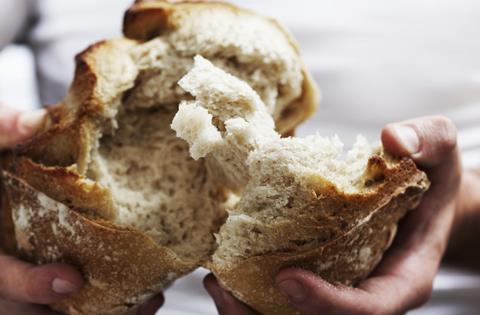
Prebiotic fibres are naturally well suited to bakery, asserted Ballantyne, particularly in bread and staple products where fibre enrichment feels intuitive to consumers. In sweet bakery, the opportunity is equally strong, he said, noting that “success here is less about limitations and more about applying the right technical know-how to deliver nutritionally balanced, fibre-enriched products that still delight on taste and texture”.
The Tate & Lyle director also revealed how alternative formulation routes were emerging, such as incorporating probiotics into bakery fillings or inclusions that avoid high-heat processing, which could provide a more viable delivery system in certain applications. “While we have yet to see these approaches scale commercially, they highlight the breadth of innovation underway,” he said.
However, Ballantyne highlighted how strict regulations in Europe (and the UK) make it very difficult to communicate prebiotic benefits on pack. This mean, brands and formulators have an important role to play in communicating the science more clearly – through education, transparency, and trusted validation frameworks – to help consumers make more informed choices, he added.
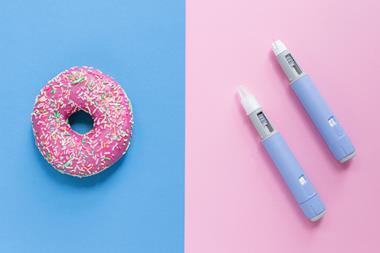
Demand for functional bakery is being partly driven by the increased use of weight-loss medication (GLP-1), with retailers and suppliers responding with a raft of innovation. Recent examples include M&S’ Nutrient Dense range of bread and crackers, a new high fibre bread concentrate from Millbio, and a specially curated ‘GLP-1 Smart Solutions’ portfolio by ingredients specialist Nexture.
According to data from Worldpanel by Numerator GB, a total of £780m has been wiped off Britain’s grocery bills over the past two years due to the impact of GLP-1 – 1.9m adults now use it in the UK. This number is expected to rise with the regulatory approval of tablets for people with specific weight conditions, meaning those scared of jabs now have a solution.








No comments yet