










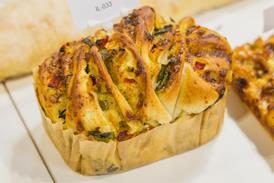
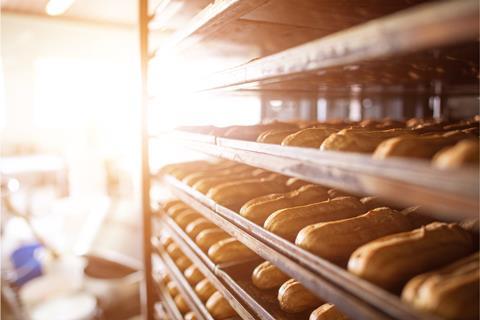
The heatwave currently scorching the nation has forced several bakeries and coffee shops to reduce hours and menus, or close temporarily.
At the start of the week, the Met Office issued an amber warning of extreme heat for southern areas of England and Wales, upgrading it to red alerts for today (24 June) and tomorrow. The mercury is expected to rise to a high of 38°C – breaking the UK record for June – before cooling off on Friday.
Tropical nights, whereby temperatures don’t drop below 20°C at any time, will be widespread especially in urban areas while humidity is also a factor that makes heat stress a danger to all, noted the Met Office.
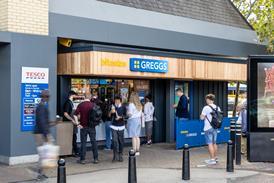
In response, a raft of independent high street business has taken decisive action.
Wooster’s Bakery has informed customers that its sites in Bury St Edmunds and Wyken Vineyards will shut from 1pm this week, with orders to be collected by noon. It noted on Facebook that the measures were designed to help protect staff during the hottest part of the day and avoid unnecessary food waste.
Somerset chain Burns the Bread has an earlier closing time of 3pm at its Glastonbury high street shop, although its other five shops remain unaffected for the time being. Toad Bakery in Camberwell, south London, didn’t open yesterday, and is running a range of ‘heatwave hours’ this week including 8am to 11am on Friday – it has also stopped offering bread, sandwiches, and some of its pastry line-up.
Cafés that have opted to close include Bake & Brew, which is shutting doors of both its Cheltenham and Gloucester outlets at 2pm until tomorrow, and Kanto Cafe & Bakery in Cambridge, which decided to close for the whole of Monday and Tuesday.
The Real Bread Campaign posted on socials that consumers should spare a thought for bakers.
“If caring for their people means that some bakery owners amend their opening hours or what they make, changing what you can buy and when, please be kind and don’t give them grief about it,” it wrote. “It’s also a good time to remember that in other parts of the world, some Real Bread bakers face more extreme conditions for months on end, and even year-round.”
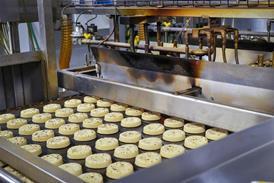
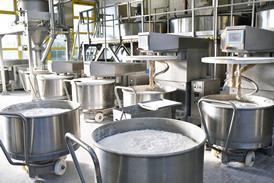
While craft bakeries and artisanal brands were understandably impacted by the heat wave due to their facilities not being temperature controlled, the Federation of Bakers confirmed it has yet to hear of any of its members (large-scale manufacturers) proposing to close this week.
“The country still needs supermarkets shelves to be stocked with bread and baked goods, possibly more so with more BBQs and the World Cup going on at the moment,” Andrew Pyne, chief executive of the trade body, told British Baker.
What the law says
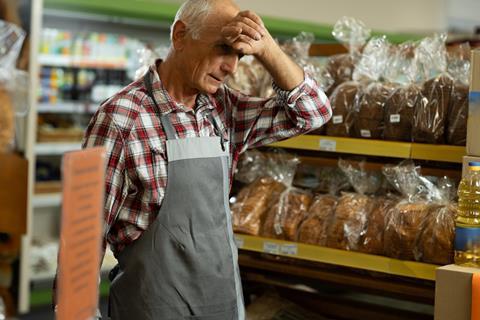
Employment lawyers have provided advice on what can be considered too hot to work.
“While there is a minimum working temperature of 16°C, there is currently no maximum working temperature, as it is difficult to set an appropriate level for all types of business,” said Samantha Dickinson, partner at law firm Mayo Wynne Baxter, adding that a kitchen or bakery is likely to reach a higher temperature far quicker than an office, for example.
She stresses businesses have a duty of care for their employees, noting that “their health and safety must always be an employer’s top priority and steps should be taken to ensure staff are not at risk of falling ill at work during hot weather”.
Extra care and necessary adjustments are also needed to keep staff safe if they have specific health conditions, including Chronic Obstructive Pulmonary Disease (COPD) and arthritis which can make working in the heat particularly challenging. Should workers become unwell directly because of the heat, employers could find themselves facing a personal injury dispute, warns Dickinson.
“Businesses should therefore consider workplace adjustments to help keep staff cool so they can do their jobs safely, including providing air conditioning or electric fans and access to cold water. Employers could also consider relaxing any dress code rules on restrictive clothing, or implementing a dress down policy during hot weather,” adds the lawyer.
Elizabeth Maxwell, senior associate solicitor at Morr & Co, thinks introducing clearer parameters would help provide consistency and better protection for workers, particularly in light of increasing heatwaves. However, a strict maximum temperature coming into law remains less certain.
“There are real challenges in applying a one-size-fits-all limit across very different working environments, and regulators have historically resisted fixed thresholds for that reason,” she said. “A more likely outcome may be enhanced guidance or sector-specific duties rather than a single universal cap.”
Maxwell believes the practical impact on businesses would be significant if such legislation were introduced.
“Employers would need to proactively manage heat risk in the same way as any other health and safety hazard, including potentially altering working hours, introducing additional breaks or even pausing work in extreme conditions,” she commented.
“In the meantime, the key for businesses is to focus on robust risk assessments, ensure access to ventilation and hydration, and adopt flexible, common-sense adjustments to protect staff wellbeing.”




No comments yet