











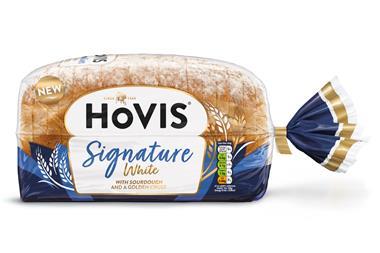
More needs to be done to address competition concerns over Associated British Foods’ (ABF) acquisition of Hovis, interested parties have commented.
As part of its fast-tracked phase 2 merger inquiry, the Competition and Markets Authority (CMA) reported it had provisionally found concerns around a substantial lessening of competition for the supply of bread and bakery products in Northern Ireland (NI). It proposed a divestment of ABF’s bakery business in the region as a remedy.
The competition watchdog invited comments on this, subsequently publishing them on its website with author names redacted. One of the submissions was from ‘a third party’, which claimed the sale of the ABF’s bakery business in NI – run by its subsidiary Allied Bakeries – does not effectively address competition concerns.
It argued that the new owner of the bakery business will almost certainly be beholden to ABF, given that it will continue to operate one of the two flour mills in NI, and thus will be a key supplier. “There is a composition risk with the proposed remedy package; namely the purchaser would not be sufficiently independent of ABF and this in turn would likely impede the purchaser from operating as an effective competitor in NI,” noted the comment.
It suggested the mill in Belfast – operated by the Allied Mills division of ABF – be sold as well, either to the same purchaser of the bakery business or an independent party.
NI distribution concerns
Another comment from a firm referred to as ‘retailer C’ stressed the importance of any potential purchaser of the divested business having a sufficiently broad product scope (including non-declining categories) and investment capital, plus credible management and operational expertise.
It highlighted how access to established delivery networks can affect not only competition between the main branded suppliers but also the ability of other suppliers to reach stores. ABF has distribution centres in Coleraine on the north end and Dungannon near the centre of NI, while Hovis operates a distribution hub out of its main production site on Apollo Road in Belfast.
“Our experience is that only Hovis and ABF have historically been willing to transport certain third-party brands direct-to-store, and that this is a material feature of the current distribution set-up,” expressed retailer C. “If, post-merger, this capability (or the incentive to provide it) were concentrated in a single supplier, this could weaken route-to-market options for other brands and heighten dependence on the merged entity’s network.”
Remedy effectiveness should be tested against route-to-market outcomes more generally across the whole of the UK, asserted the comment, adding this would avoid a weakening of competition between competing bread suppliers to the detriment of smaller players and, in turn, customers and end-consumers.
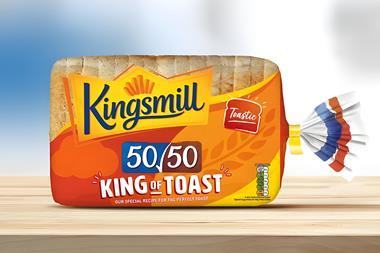
Additional responses on the proposed CMA remedy included from ‘retailer A’, which said the purchaser of the NI bakery business should commit to continuing the supply of pancakes, potato farls, and soda farls, and maintain the Kingsmill and Sunblest brands, for a minimum period of five years. This approach would ensure NI retailers will have sufficient time to make alternative arrangements should the ABF lines be discontinued following the divestment deal.
In contrast, comments from ‘retailer B’ was wholly complimentary of the remedy, saying how it was preferable to prohibition of the merger. “If a supplier such as Hovis or Allied Bakeries were to cease to trade unexpectedly, this would likely lead to a lack of capacity in the market. In turn, we anticipate this could then lead to a sharp rise in inflation, ultimately having a negative effect for consumers,” it said.
Union responds
The Bakers, Food and Allied Workers Union (BFAWU) was the only commenter whose name was left in by the CMA. The organisation has members working at both bakery manufacturers, and has helped lead negotiations over pay disputes on multiple occasions. This includes involvement in strikes at Allied’s Bootle factory in 2023 and Hovis’ Belfast site in 2021.
Whilst not seeking to support or oppose any particular remedy or prospective purchaser, the BFAWU said it considered it important that the CMA takes into account workforce-related factors that may impact long-term viability and operational resilience.
In particular, it highlighted that:
- The retention of a skilled and stable workforce is critical to maintaining production, quality and reliability of supply
- Any remedy should result in a genuinely viable, standalone business capable of operating as a going concern
- The suitability of any purchaser should include consideration of their ability to sustain employment, skills and operational capacity over the long term.
“A model based primarily on short-term cost reduction or workforce instability may undermine the effectiveness of any remedy and the ability of the business to compete sustainably,” added the union.








No comments yet