









Last month the Competition & Markets Authority (CMA) provisionally cleared the way for a merger between Allied Bakeries and Hovis – an important step particularly as the regulatory organisation believes Allied would close if it didn’t go ahead.
While this is positive, there are still more hoops to jump through before the merger can be formalised. Even more so as the CMA raised concerns about competition in Northern Ireland.
The phase 2 investigation found that, unlike the rest of Allied Bakeries business, the operation in Northern Ireland was profitable meaning that any potential merger with Hovis could result in a lessening of competition in the country.
As such, Associated British Foods (ABF) is running a sales process for the Northern Irish business with a number of interested parties submitting non-binding offers.
So, what is Allied getting right in Northern Ireland compared to the wider market in Great Britain? And how much of this is down to differing market dynamics between the two regions?
Some of its success, according to the CMA’s interim report, is down to the fact it is to a large extent operated independently of the GB business, with its own distribution and manufacturing facilities. Distribution models are different with products typically delivered direct to store for all customers.
Bakery is the third largest agri-food sector in Northern Ireland behind meat and dairy, which all contribute to a £8bn industry directly employing approximately 24,000 people [Invest NI 2024].
What’s more, the major players are strikingly different to Britain. Where Warburtons dominates the wrapped bread market in GB, followed by Hovis, the former along with major own label supplier Fine Lady Bakeries have ‘no or limited presence’ in the country.
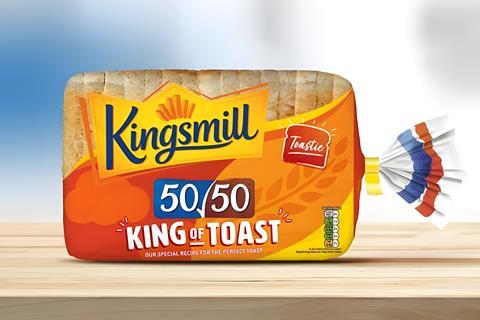
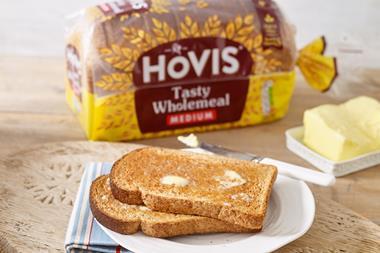
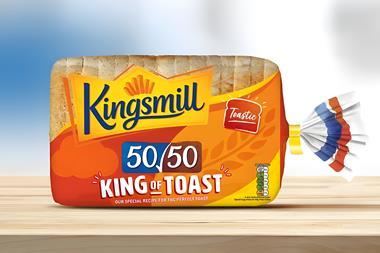
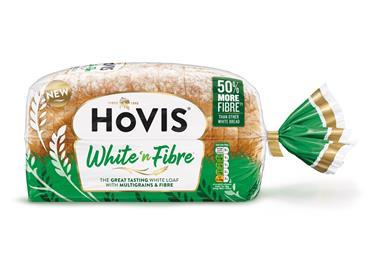
It is in fact Hovis, which is the bestselling wrapped bread brand in Northern Ireland [Nielsen Scantrack data for the 52 weeks to 10 August 2024]. Unlike Kingsmill’s performance in GB, which saw its sales fall by 31.5% to £73.7m over the past year [NIQ 52 w/e 6 September 2025], Allied’s brands are ’stronger,established and well recognised’, according to the CMA. As such, the regulatory body pointed out that the merger would combine the two largest players which account for nearly two thirds of the total market and nearly all of the private label bread supplied. This, it noted, could result in a substantial lessening of competition.
There are regional players in the market such as Irwin’s, Brennans, and Gallaghers although these hold much smaller shares, the CMA highlighted.
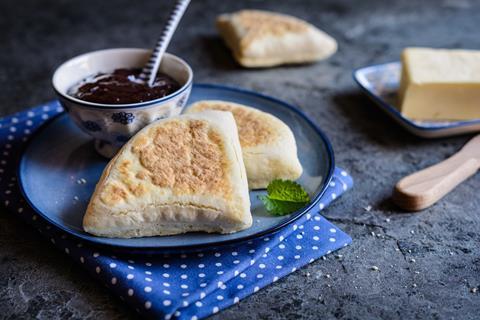
Away from bread, Northern Ireland’s consumers have a strong love of other bakery products including potato farls, soda farls, and pancakes. Again, in these three categories Hovis and Allied have the strong hold, accounting for nearly 50%, 60%, and 80% of the markets, respectively.
Why is Allied Bakeries’ NI business attractive?
As previously mentioned, unlike Allied Bakeries’ GB business, the one in Northern Ireland is profitable which makes it a much more attractive proposition to a potential buyer. Like Hovis, Allied operates a manufacturing site in Belfast.
The CMA’s report stated that it would require limited synergies to make it profitable on a standalone basis and funding requirements would be much lower than GB as any potential purchaser wouldn’t need to fund ongoing losses while it turned the business around.
What’s more, the CMA said that it represents an opportunity for other suppliers, such as those based in the Republic of Ireland, to enter or expand in Northern Ireland to help overcome some of the barriers in this process, including access to distribution and the importance of brand.
There’s always the potential for bids to come from GB as well, as the industry saw when bakery supplier Bako acquired County-Armagh based ingredients firm Finlay’s Foods in 2024. Bako said the move would open up new markets in Northern Ireland and beyond, offering significant growth opportunities for the company as well as optimised supply chains, shared resources, and more.



No comments yet