












The Danish do a lot of things well – Lego, pastries, beautiful architecture, creating a cosy and contented mood (otherwise known as hygge). It’s no wonder Denmark is consistently ranked as one of the happiest countries in the world.
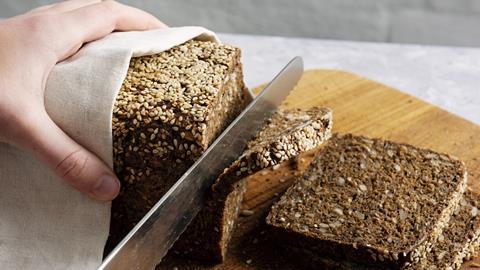
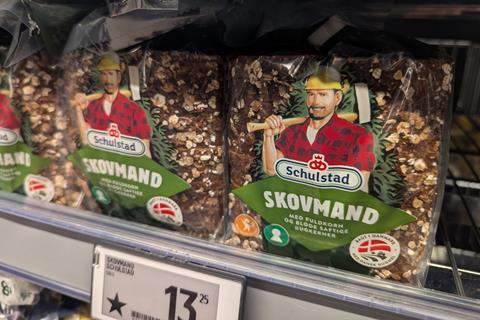
Another thing they do exceptionally well is rye bread. Venture into any Danish supermarket, as I was lucky enough to do on a recent trip to Copenhagen with Puratos, and you’ll find shelves upon shelves of the stuff. Dense, nutritious, flavourful loaves with a minimal ingredient list and decent shelf life to boot. There were sourdough varieties packed with sunflower and rye seeds, a rustic looking loaf with a lumberjack on the packaging, and one developed in collaboration with a restaurant boasting the use of Danish rye flour and a ‘particularly good bite’.
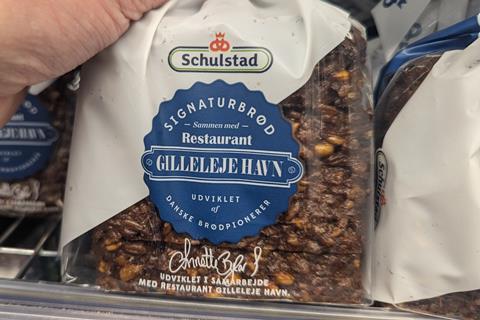
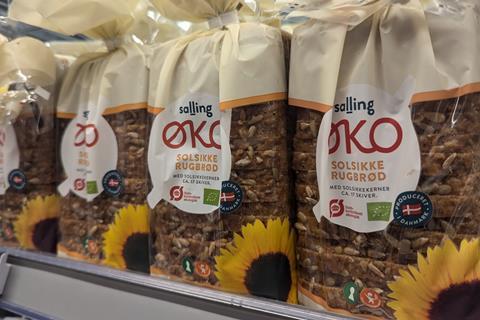
It’s a far cry from the choice seen in UK supermarkets with only two rye breads found on Tesco’s website – German Schneiderbrot Whole Grain Rye Bread and Biona Organic’s Rye Bread Chia & Flax Seed with sourdough. Other rye options are available, but they typically feature rye flour rather than wholegrains and are combined with wheat or other flour to create a more familiar texture and taste.
Away from the supermarkets, rye bread is embraced as the sandwich carrier of choice in Denmark in the form of Smørrebrød. Often topped with meat, cheese, fish, and vegetables, these open sandwiches bring plenty of colour and height to café displays. A special shout out goes to the one I sampled which featured potato slices, mayonnaise, and crispy onions. Carbs on carbs? Yes please!
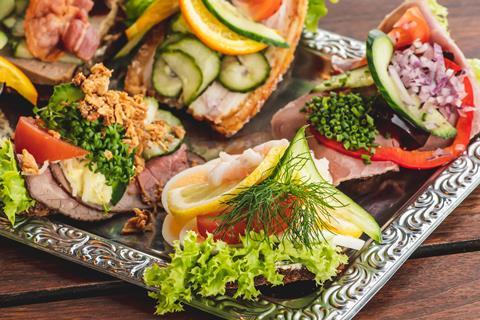
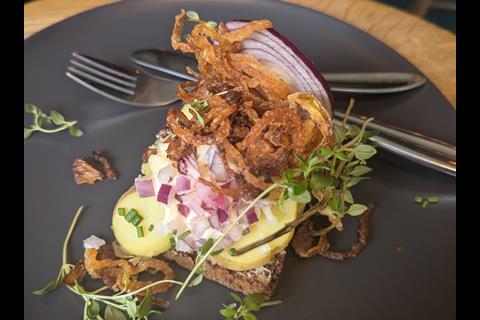
Notably, and perhaps oddly for a nation that prides itself on doing rye right, a proper Smørrebrød should be so laden with toppings that the bread shouldn’t be visible.
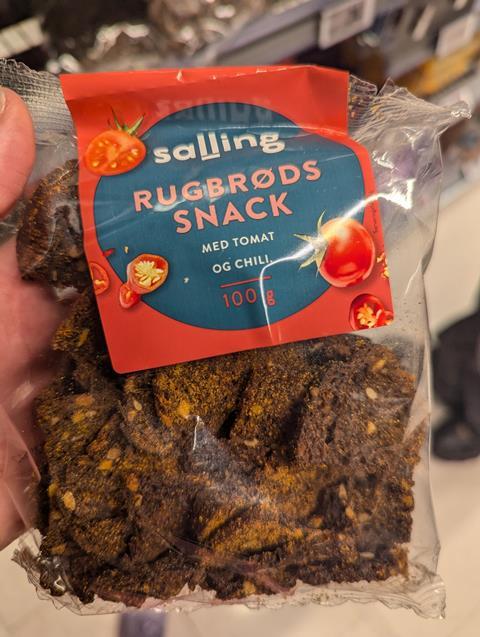
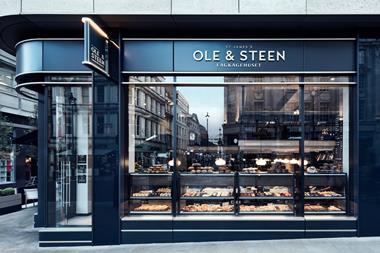
Leftover rye can also be utilised for snacking occasions, both by supermarket suppliers and home bakers. Bakery brand Salling, for example, produces flavoured Rugbrød snacks – dried rye bread slices with flavours such as tomato & chilli or sour cream & onion – while rye chips are a familiar sight in the plentiful Lagkagehuset stores (which owns UK-based Ole & Steen).
Rye cake, meanwhile, is a common theme for home bakers, with Puratos serving up bite-sized inspiration for this on the trip in the form of Chokurug – delectable, squishy, dense mouthfuls of malted rye cake with chocolate chunks for added indulgence. I still think about those often. That and the dark chocolate covered rye chips with a sprinkling of flaky sea salt.
Types of rye flours
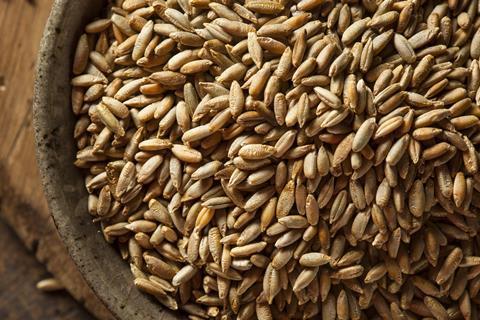
- White/light rye flour – brand and germ mostly (if not entirely) removed from the whole grain
- Medium rye flour – some germ and brand have been removed from the wholegrain
- Rye flour – whole rye grain finely ground
- Dark rye flour – coarse, sandy flour which absorbs a lot of water
- Sliced rye grains – whole grains which have been sliced due to better soaking properties (soaking is crucial for the body to digest rye grain)
- Rolled rye flakes – steam and mashed/rolled rye which is digestible and doesn’t need soaking
Source: Puratos
Rye here, rye now
Despite the health benefits, most Brits aren’t on board with rye bread. While not specifically focused on rye, research from Puratos found that 31% of those polled rarely or never buy wholegrain bakery items because they think they don’t taste good, while 20% believe bread with whole grains is too dry.
That’s not entirely unreasonable given how far removed rye bread is from the soft and fluffy sliced white many Brits consume. But there are many benefits for consumers that are willing to embrace rye (and the bakeries that serve them).
For starters, the fibre content is much higher than sliced white, although the protein content may be lower (as demonstrated by the snapshot of loaves in the table below). This is particularly important given the continual fibre gap in the UK as many adults struggle to eat the recommended 30g a day.
| Product | Fibre content per 100g | Protein content per 100g |
|---|---|---|
|
Biona Organic Chia & Flax Seed with Sourdough |
11g |
6g |
|
Baker Street Seeded Rye Bread |
8.3g |
7.1g |
|
Schneiderbrot Whole Grain Vollkornbrot Rye Bread |
7.7g |
5.2g |
|
Hovis Wholemeal |
6.8g |
10g |
|
Tesco Finest Rye & Mixed Seed Sourdough |
6.7g |
8.6g |
|
Jason’s Grains & Seeds Ciabattin |
4.7g |
10.7g |
|
Warburtons Toastie Soft Thick White |
2.3g |
9.1g |
What’s more, rye bread tends to have a naturally longer shelf life and shorter ingredients list than some of the options out there – an area which, despite assurance from the industry, is increasingly under scrutiny from consumers as the conversation around ultra-processed food rumbles on.
The rye community in the UK is growing. The category is worth £6.7m and growing at 2% annually [Circana 52 w/e 19 April 2025], although this doesn’t consider channels other than supermarkets.
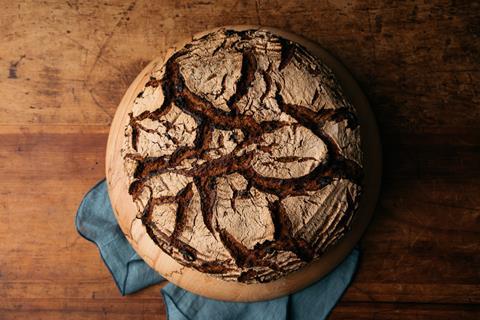
The success of Ole & Steen suggests there is an engaged audience ready to sample Danish delights out of home with a Chia Rye and Carrot Rye available. And in Cumbria there’s a rye-loving community thanks to Lovingly Artisan. The artisan bakery has long championed the grain with its award-winning Danish Rugbrød and Northumberland Rye loaves stalwarts of its menu. The business is pushing this even further via a partnership with local business Eden Yard which has seen them grow a rye crop in the heart of Eden Valley.
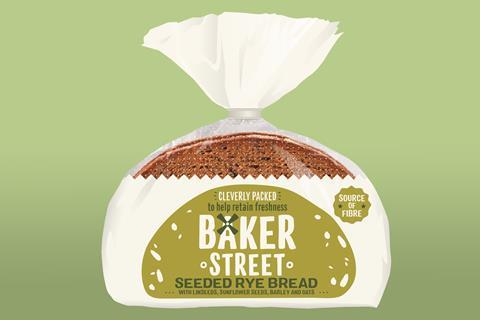
Baker Street, part of the St Pierre Groupe stable of brands, is also finding success with its Seeded Rye Breads having recently secured a national listing with Sainsbury’s for the product and listings with other retailers for its Rye & Wheat Bread.
The options for rye lovers are slowly but surely expanding. Kristian Tapaninaho, the founder and co-CEO of pizza oven brand Ooni, has unveiled a new start-up on a mission to ’revolutionise the UK bread aisle with proper Finnish rye bread’ under the brand RaiRai. Made in Finland using traditional methods, finely milled Finnish flour, and a slow-fermented rye sourdough starter, the Dark Malt Rye is available in 345g bags containing 12 slices. It boasts a ‘softer, more flavourful’ rye than then ’dense, sour German-style rye breads seen on UK supermarket shelves’.
As a consumer, I’m a rye bread convert snapping up the Ole & Steen Carrot Rye whenever I happen to be near one of its sites (my favourite serve is with cream cheese, salami, dill, capers, and a squeeze of lemon). But I know other Brits will be more wary of the dense, dark brown bricks.
It’s unlikely rye will ever rival white or even seeded bread in the UK, but with the increased interest for culinary delights from around the world, and a need to increase dietary fibre, there is a clear opportunity for those willing to embrace the rye way.









No comments yet