









From Scandinavian treats to Middle Eastern flavours, Bridor looks at how baking innovation in 2025 is inspired by international cuisine.
The days of bakeries and cafés serving just British classics like scones, iced buns or Eccles cakes are long behind us. Today’s consumers are expecting to see a diverse array of sweet treats on the menu, that incorporate flavours and baking techniques from all over the globe.
Data shows that 80% of UK consumers buy products from – or inspired by – international dishes weekly [HRA], while 90% of consumers express a willingness to try new products inspired by international cuisines [HRA].
Establishments that don’t cater to eclectic, cosmopolitan tastes may be missing out on footfall, with 68% of UK consumers saying restaurants with adventurous global cuisines appeal to them [Unilever]. This figure increases to 77% for Gen Z, demonstrating how the next generation is embracing food from around the world.
“Global flavours are certainly here to stay,” states Erwan Inizan, Northern Europe sales director at French bakery manufacturer Bridor. “Consumers are seeking to elevate classic sweet treats and savoury dishes with different ingredients.
“Middle Eastern and Japanese flavours are particularly popular at present, and you only have to look at the rise of matcha in the UK to see how our tastes are evolving, which has had a breakthrough year in the mainstream café and bakery scene.
“Pistachio is also a popular ingredient and shows the potential of utilising ingredients from far and wide. Originating from the arid, mountainous regions of Central Asia and the Middle East, pistachios have taken the food industry by storm in the past couple of years, with consumers enticed by the bold green visuals and wholesome nutty taste. “This was why we combined our Viennese pastry expertise with the power of pistachio to create our new pistachio-filled croissant, tapping into the demand for alternative croissant flavours,” says Inizan. “Another example is our Zaatar croissant, which combines a pure butter croissant dough with a mild and fragrant blend of herbs and spices from the Middle East.”

Bakery cultures from around the world
Data from Bridor found that 93% of consumers are looking for croissants with an original taste [Bridor], outlining the importance of experimenting with different flavours.
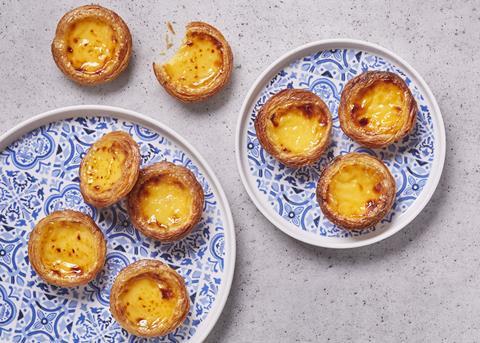
“Bridor is a French manufacturer, but we’re inspired by bakery cultures from all over the globe,” explains Inizan. “Modern bakers are now able to access international ingredients and recipe inspiration more easily than ever before, and this has step-changed innovation in recent years, We’re now seeing bakery delights from around the world become household staples in the UK, and the pastel de nata is the perfect example of this. This emblematic Portuguese pastry is a common sight at cafés and something we have offered at Bridor for a number of years.”
Two-thirds (65%) of Europeans are now familiar with the pastel de nata [Bridor] and the custard-based pastries have taken the UK by storm in recent years. “With more knowledge of foods from around the world, today’s consumers crave authenticity, which is why our pastel de natas are made in Portugal in the region of Leiria ahead of being frozen and brought to the UK. This means operators can deliver a true Portuguese experience every time,” he notes.
A Nordic bakery adventure
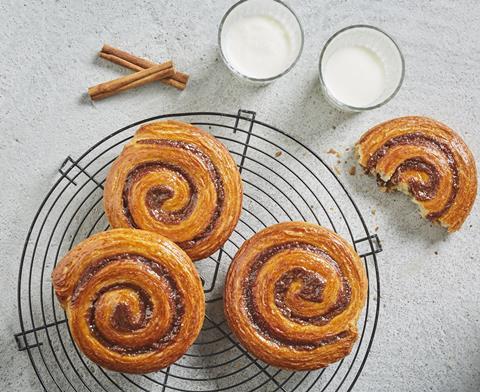
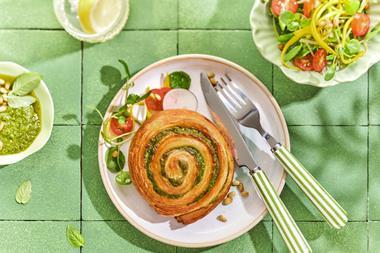
Scandinavian cafés and baked goods have boomed in recent years in the UK, with people drawn to their unique blend of comforting, traditional flavours and modern simplicity. Products like Swedish cinnamon buns (kanelbullar), Danish pastries, and cardamom buns appeal to consumers who value both indulgence and artisanal quality. “We took inspiration from Scandinavia and the iconic kanelbullar with our Ultra Kanel Swirl, a Viennese pastry swirl with an intense cinnamon flavour,” adds Inizan.
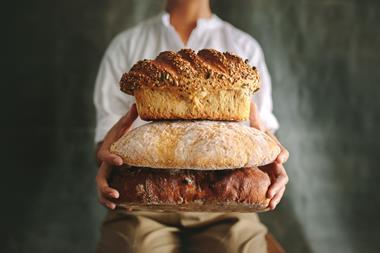
“There has been a rise of Scandinavian-inspired cafés and bakeries across UK cities, which often place an emphasis on craftsmanship, natural ingredients and hygge culture. Many Scandinavian ingredients are now familiar favourites, and we looked to this part of the world for our Nordic-style bread rolls. Made from a blend of flours (wheat, rye, buckwheat and malted wheat) and exceptional seeds (sunflower, poppy, millet, sesame, yellow flax, brown flax), this hearty loaf has a brown crumb and slightly sweet, malted notes.”
The home of pastries
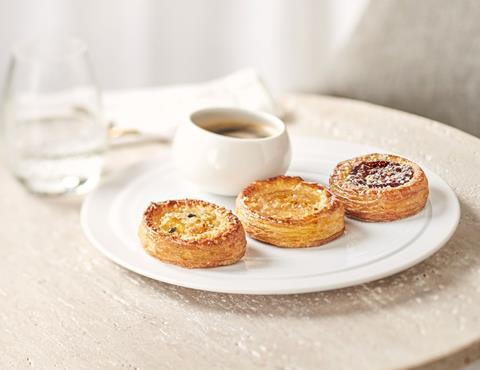
When it comes to traditional pastries, France is often viewed as the place to truly enjoy these creations thanks to its rich baking history and café culture. Bridor puts emphasis on using French ingredients and techniques when producing its products. “Our Viennese pastries are made in the spirit of French pastry-making tradition with a long resting time for the dough,” says Inizan. “For example, our Arty croissant and pain au chocolat from Bridor’s Éclat Du Terroir range are made using unique butter-rich recipes inspired by traditional French bakery techniques, resulting in melt-in-the mouth Viennese pastries that transport you to Montmartre.
“However, there is a balance to be made between replicating flavours from around the world and putting your own spin on them,” he adds. “It is this sweet spot where bakeries can stand-out from the crowd and is why hybrid bakes such as the cronut have proved such a hit in recent years.”
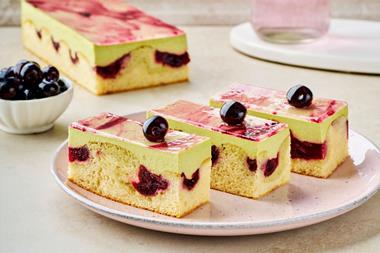
Collaborating with respected and established bakeries from around the world is another way larger manufacturers can introduce new flavours to their portfolio, such as Bridor’s long-standing partnership with La Maison Lenôtre. “For over 20 years, we’ve worked with the Lenôtre Master Bakers to produce delicious and unique innovation,” says Inizan. “An example of this is our mini tartelettes created with Maison Lenôtre, where the worlds of Viennese pastry and pâtisserie come together. Available in three flavours (apple & pear, blackcurrant & apple, and pineapple & passion fruit), these indulgent bakes have allowed our customers to cater for different audiences and occasions.”
The possibilities of savoury croissants
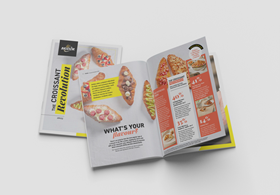
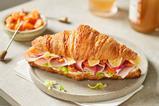
Research from Bridor’s ‘Croissant Revolution’ guide from earlier this year demonstrated the opportunity for outlets to use savoury fillings as a way to sell more croissants throughout the day, with 41% of consumers wanting to see savoury croissants on a venue’s menu [Bridor].
“Croissants make an ideal base for a number of fillings and a great alternative to the traditional sandwich. Filled croissants have been commonplace in France for years and this trend is now moving across the Channel. This is an easy way to incorporate different cuisines onto your menu and explore new flavours while using your existing bakes.”
To learn more about the latest croissant trends and discover insights on how operators can boost their pastry sales throughout the day, download the new Bridor ‘Croissant Revolution’ guide here.
*Data is from a Bridor study, conducted in the UK, among 800 buyers of croissants at least once a week, January 2025.