











Coordinated action is needed across the entire food system to help tackle ill-health relating to low fibre diets, the British Nutrition Foundation (BNF) has urged.
A new report from the charity organisation, entitled ‘Dietary Fibre in 2026: An Update on Barriers & Opportunities to Fill the UK Fibre Gap’, highlights that taste preferences, cost concerns, and lack of knowledge are the biggest consumer barriers to increasing intakes.
It also emphasises that creating supportive food environments, through product availability, placement, pricing, menu design and clear communication, will be critical to shifting consumer behaviour at scale.
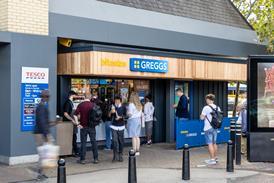
One of the opportunities to reformulate foods with more fibre is in the out-of-home sector. BNF’s analysis found nearly 70% of menu items sold are low in fibre, while 50% of consumers in a YouGov survey from April 2026 said they would be more likely to eat products such as bread, cereal or snacks if they had added fibre (but tasted the same).
Only 4% of adults meeting the daily fibre recommendations, according to the government’s National Diet and Nutrition Survey 2025.
BNF chief executive Elaine Hindal called the UK’s fibre gap one of the most persistent nutritional challenges we face. “Food manufacturers, retailers and the out-of-home sector all have a vital role to play – from reformulating everyday products to improving availability, visibility and choice,” she said.
“But industry cannot solve this alone. Coordinated action with government will be essential to improve understanding around fibre and to make higher-fibre options accessible, affordable and appealing across the food environment.”
The report set out the following five key areas where action from industry could have the biggest impact:
- Accelerate reformulation of widely consumed staple foods to increase fibre through “health-by-stealth” approaches
- Collaborate with suppliers to innovate and explore higher-fibre ingredients and varieties without compromising taste or quality
- Promote higher-fibre choices across retail, out-of-home and online by making them more visible and appealing
- Strengthen communication through simple, consistent labelling, supported by messaging to raise awareness
- Support and encourage relevant fibre awareness campaigns and activities across sectors.
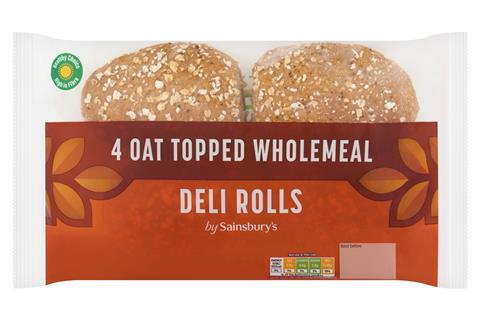
Some retailers are already on board such as Sainsbury’s, which recently updated packaging on a wide range of own-label products to include prominent ‘High in Fibre’ claims.
The BNF also made recommendations to policy makers in the government, including:
- Make the fibre content of products clearer for consumers by introducing mandatory fibre labelling on back of pack and considering inclusion of fibre on front‑of‑pack traffic light labels
- Enable better communication on fibre by asking relevant government committees to review existing fibre health claims and develop clearer, more meaningful wording for consumers
- Improve the evidence base by updating UK food composition data with consistent, up to date fibre values to support labelling and reformulation
- Align policies across public health, procurement, agriculture, school food and marketing to prioritise higher‑fibre foods, and reinforce this with a comprehensive consumer engagement strategy to raise awareness of the importance of fibre and how to increase intakes.
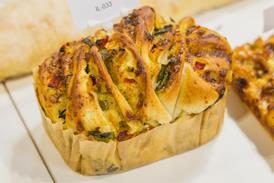
Fibre has become one of the dominant health trends in baking, with fibre-rich innovations in recent months including Fibre Fix loaf and rolls from Warburtons and Matcha coconut cookies from Nourish. Other launches like the Nutrient Dense range of bread and crackers at M&S tap into the increased adoption of weight-loss medication – something which ingredients suppliers are also looking to support reformulation for such as Nexture with its new GLP-1 portfolio.









No comments yet