












The government has “significantly underestimated” the cost and impact of the proposed reforms to the nutrient profiling model (NPM), according to The Food & Drink Federation (FDF).
New research from Oxford Economics found that the average one-off costs of the policy to manufacturers could be as much as 50x more than the figure in government’s own Impact Assessment at £2,812 per product, compared to government’s estimate of just £53 per product.
The research was undertaken with some of the UK’s largest food and drink manufacturers, representing around 15,000 products in scope of the regulations.
The Department of Health and Social Care (DHSC) is currently reviewing feedback from a recent consultation on how to apply the updated NPM to the advertising and promotions restrictions on ‘less healthy’ food and drink products. It unveiled the updated model, known as NPM 2018, at the start of the year with the main difference between this one and the live 2004/05 version being a lower threshold on free sugars, including those naturally present in fruit and vegetable juices.
The government intends to allow businesses time to adapt to the changes, proposing 12 months as an appropriate period. This means updated legislation could come into effect in late 2027.
Oxford Economics said the ‘significant gap’ between its estimates and that of DHSC reflects an underestimation of the time required to interpret and implement these complex changes across company product ranges, alongside additional costs, such as updating IT systems to reflect the different requirements of the revised NPM.
Offering an example, it said the government’s Impact Assessment assumes that each manufacturer requires just 8.2 hours in total to familiarise themselves with the regulatory changes and share that knowledge internally. This assumes that one production manager at a head office reads and reviews a 10,000 word document once and then shares this knowledge with technicians in just 90 minutes.
The food manufacturers surveyed will also lose £10m each on average in sunk investment costs spent developing healthier products to support existing regulations, because many of these new products will now be re-classified as ‘less healthy’ under the proposals. This is a continuation of the FDF’s complaints which it voiced when the proposed model was unveiled, claiming it “undermines investment decisions that businesses thought they were making in the longer-term”.
A reduction in choice
The research also reveals that government has significantly underestimated the number of products impacted. The findings suggest that there would be a 40% increase in products that couldn’t be advertised or promoted, nearly double the government’s estimate of 22%.
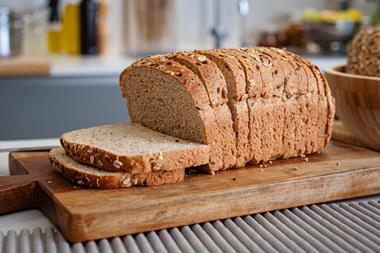
Food and drink ranging from high fibre breakfast cereals and fruit yoghurts, through to healthier swaps like lower sugar cakes and lower salt crisps would fail the proposed NPM and be classified as ‘less healthy’.
Food manufacturers expect to delist more than one in a ten of their products as a result of the proposals. This risks reducing the availability of accessible ‘swap’ options that support healthier choices, which risks setting back overall progress towards healthier diets.
The FDF pointed to findings from research and innovation foundation Nesta which showed that if shoppers make many small changes (for example by swapping to healthier alternatives like those products designed to meet the current NPM) this could reduce calorie consumption by 8.5% and halve obesity rates in the UK in five years.
“This analysis shows DHSC has significantly underestimated both the cost and impact of its proposals on food manufacturers, while relying on limited evidence to support its health claims,” said FDF chief scientific officer, Kate Halliwell.
“By contrast, there are early indications that the current advertising and promotion regulations, the most recent of which came into force this year, are having an effect on what consumers are buying.”
Halliwell added that the proposals would add “further strain” on the sector and even “risk removing from shop shelves many of the products that help consumers make healthier choices”.
“We urge government to work with industry on a more proportionate approach that protects consumer access to healthier options while promoting healthier diets,” she added.









No comments yet