










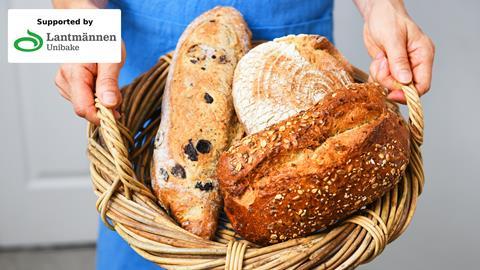
Move over plain sourdough, consumers are now demanding wholesome loaves packed with innovative flavours and nutritious ingredients for a myriad of meal occasions.
Thankfully, the nation’s bakers are happy to flex their creative muscles and cater to this growing demand. Need proof? Look no further than this year’s Britain’s Best Loaf competition where ‘bread with bits’ could be found in droves. From a wholesome yet indulgent loaf packed with dark chocolate, malt, and orange made by Cumbria-based Lovingly Artisan, to the colourful Beetroot Multiseed from Seasons Bakery, and the Sprouted Emmer & Rye Carraway Sourdough by Crustiq.
Inclusions are added for many reasons – to enhance flavour, provide texture, boost nutritional value, or elevate it to something perfect for the centre of the table or alongside a particular meal.
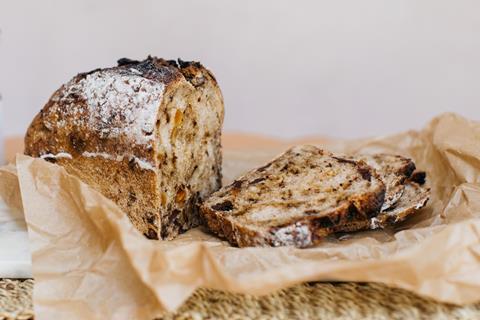
So, how are artisanal bakers, nationwide brands, and retailers embracing and balancing this to create thoughtful and innovative new products? And what impact is this having on sales?
“Bread is no longer just a basic staple; people want loaves that genuinely add something to their meals and diets,” believes Jason Geary, master baker at Jason’s Sourdough. “A good loaf can now take centre stage, rather than simply sit on the side.”
This, he notes, is partly due to the growing appreciation of the craft that goes into baking, meaning that added ingredients can “enhance that craftmanship and really showcase the skill behind each loaf – whilst giving added benefit to the consumer in either flavour or functional health”.
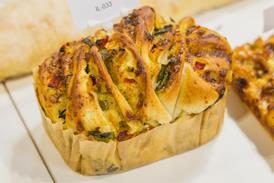
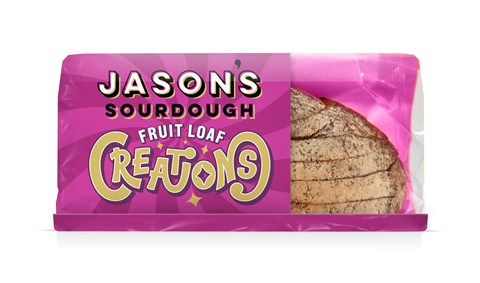
For Jason’s Sourdough, this resulted in the Creations range which features a fruit loaf that is ‘jam-packed’ full of dried fruit and the ‘back by popular demand’ olive & basil loaf.
As Geary mentions, health is a key driver in purchasing decisions for consumers. Loaves are increasingly being used to deliver the extra nutrients demanded by today’s health-conscious consumers with the inclusion of ingredients such as ancient grains and dried fruit.
“We’re seeing a convergence of dietary trends that champion increased protein and fibre, greater plant diversity, fewer ultra-processed foods (UPFs) and a focus on local, seasonal ingredients,” says Lydia Baines, marketing manager for bakery at Puratos UK. “These common factors create a golden opportunity for bakers to deliver positive nutrition, rather than simply reducing ingredients like salt.”
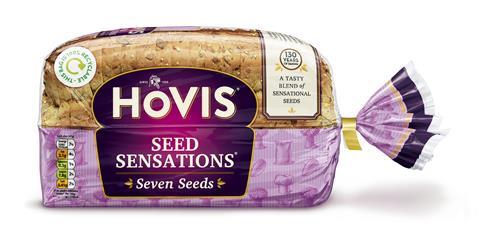
The use of seeds for added protein and fibre is well established, as demonstrated by the stalwarts of the wrapped bread aisles such as Hovis Seed Sensations, but recent NPD suggests this is becoming more of a focus for some of the nation’s biggest bread players.
Speciality means sales
Consumer demand for bread with bits – whether they’re seeking elevated flavours or improved wellbeing – is impacting sales.
Délifrance reports steady growth in breads with inclusions. Sales of in-store bakery (ISB) inclusion bread grew 6% year-on-year, ahead of the total ISB bread market [Circana data 52 w/e 30 September 2025]. Notably, loaves with inclusions now account for 20% of ISB loaf sales.
“The key factors driving this, as highlighted in our 2024 Prove It: Breaking Bread report, are quality (52%), freshness (44%) and taste (41%),” explains Délifrance marketing and innovation director Stéphanie Brillouet. “It’s no surprise then that inclusion breads – seen by many as more premium than traditional loaves – are outperforming the total ISB bread market. This has led to the rollout of more premium inclusion breads across independent bakeries and supermarket ISBs, giving shoppers an easy way to trade up from traditional loaves.”
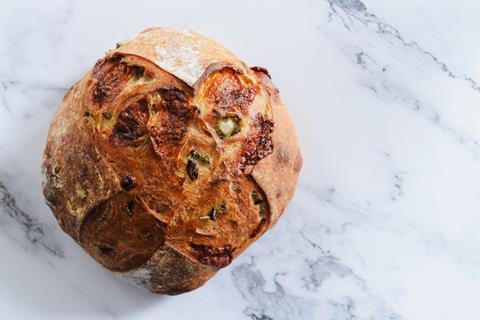
Examples include Tesco’s Jalapeno & Vintage Cheddar Bloomer and Fig, Apricot & Cranberry Sourdough, a Fruit & Nut Bloomer from Waitrose, and a Bombay Potato Boule by Sainsbury’s which is a curry spiced loaf with potato pieces, dried apricot, dried onion, and onion seeds throughout.
Many of these sit as part of the premium own-label ranges which is in line with the thinking from suppliers that specialty breads with inclusions should be positioned as premium. Or, as Miriam Bernhart, head of global strategic marketing at CSM Ingredients, clarifies “premium everyday products”.
“It’s worth noting that 46% of buyers of bread see premium bread as an affordable treat and bakers can tap into this trend in terms of extending their ranges for not only loaves but sandwiches and rolls as well,” she says. “Highlight the range via social media and shop windows and at the front of the counter using positive messaging that taps into this.”
Retailers should look for speciality breads that include immediately recognisable ingredients, suggests Samantha Winsor, marketing manager at Lantmännen Unibake. This aids ingredient transparency and enhances the bread’s visual appeal and perceived quality.
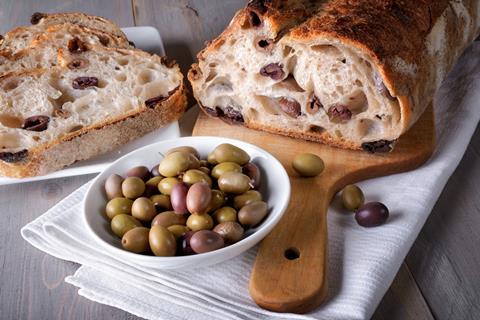
“The Mediterranean trend continues to show up through ingredients such as olive, sun-dried tomato, rosemary and oregano,” she says. “We’re also seeing the rise of Indian and Tex-Mex influences, signalling consumers’ willingness to embrace bolder, more vibrant flavours such as spiced flatbreads, chilli and cumin infusions, or breads featuring smoky paprika and jalapeño for an added kick.”
International flavours were embraced by some of the Britain’s Best Loaf entries with flavourful loaves such as a Thai Focaccia from Patisserie Mark Bennett and a heavily seeded Miso & Sesame Loaf from Imma The Bakery among those to be recognised by the competition.
Fruit-enriched doughs are increasingly being enjoyed as an indulgent treat, with ISB ranges introducing inclusion pairings such as crunchy nuts, plump raisins or currants, tart dried berries, dates, and notes of vanilla and coffee, Winsor adds.
A seedy approach to health
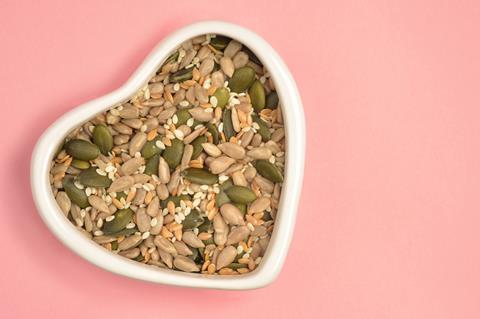
Seeds, especially sunflower and pumpkin, are popular inclusions for providing texture, flavour and a health boost.
“While white sourdough still tops the charts, seeded versions are close behind and remain a strong performer across ranges. Seeded sourdough alone is up 35.7% year on year,” says Finsbury Food Group development manager Paul Brown. “We’re also seeing more interest in things like sprouted grains or combining seeds with fruits and spices for more complex flavours and added nutritional appeal.”
One or two types of seeds often isn’t enough though, with many embracing a mixture. The aforementioned Hovis Seed Sensations, for example, boasts seven types of seeds – toasted brown linseeds, toasted sunflower, pumpkin, golden linseeds, millet and poppy seeds.
“It’s variety that’s really driving innovation,” says Puratos’ Baines. “People are actively trying to hit their target of 30 different plants per week and bread is the perfect vehicle to help them get there.”
She adds that bakers can capitalise on this by promoting plant content on packaging and through in-store information, rather than just listing the different seeds and grains as ingredients.
Consumers are actively seeking loaves with added fibre, protein and natural ingredients and avoiding ultra-processed options, reports Finsbury Food Group. Retailers regularly ask the company to develop products that can carry “source of fibre” or “high protein” claims.
“In some cases, protein-style loaves are up over 200% year on year. While part of that is due to wider distribution, it’s also a clear sign that demand is strong and it’s not slowing down,” says Finsbury category manager Charlotte McCready.
New weight-loss medications could also influence what kind of bits are added to bread as dieters’ preferences evolve, predicts Baines.
“We’re watching the impact of GLP-1 medications closely. They’re driving a shift towards smaller portions but with much higher protein content, which plays perfectly into what high-protein breads can offer,” she says.
GLP-1s can alter taste preferences, she adds, with users often reporting that they gravitate towards savoury flavours over sweet. “This opens doors for the creation of savoury, protein-rich breads that satisfy these evolving palates.”
Gen Z consumers, in particular, are part of a broader trend of people looking for “better for you” options that still feel satisfying, suggests Finsbury, and this is generating growing interest in loaves with healthy inclusions.
“Many are moving away from ultra-processed products or ingredients like rapeseed oil – often influenced by what they’ve seen on platforms like TikTok. Whether or not the science is always clear, the demand is; people want food that feels more natural, less processed and nutritionally beneficial,” says Brown.
Flavoursome loaves find favour
Breads with inclusions are finding their place at breakfast, lunch, brunch, picnics and even informal evening meals like the popular “picky tea”.
As Winsor points out, the versatility of speciality loaves means they now serve as the centrepiece for meals – providing a foundation for brunch spreads, elevating picnics or starring in grazing boards – rather than simply acting as a side or accompaniment.
Brillouet at Délifrance agrees: “This links back to the ‘snackification’ and ‘treat’ trends highlighted in our Breaking Bread report. Inclusion breads offer affordable upgrades for everyday meals, which is resonating strongly with consumers. Retailers and operators should focus on flavour-led formats as that’s where growth is strongest.”
Cheese is the most popular inclusion for British customers, reports Délifrance, whether on its own or paired with another inclusion such as onion, chutney, or jalapeno. Olive is the second most common and is adding the most value year on year, says the supplier, particularly in single-serve formats.
And because there are no set times for enjoying a great loaf, Bernhart urges bakers to ensure bread products are available throughout the day, not just in the morning when they are traditionally sold.
With strong demand on two fronts – for affordable tasty treats and for nutrient-laden bread – it’s hard to see the pitfalls of adding delicious, wholesome ingredients to loaves. But there can be challenges when incorporating inclusions at scale, particularly when chasing health claims.
“Adding seeds, grains, or fruits can dilute the flour base, which impacts hydration and dough structure, especially in products like sourdough where texture is key,” warns Brown. “To overcome this, we work with high-quality flours and test inclusions extensively to ensure they perform well, not just from a taste perspective but also in terms of consistency on a production line.”
Allergens are another major consideration, he adds. “While nuts bring great flavour and texture, the risk of cross-contamination often makes them difficult to use in shared facilities. Seeds are a great alternative as they offer similar nutritional benefits and texture but with fewer food safety concerns, making them far more practical for large-scale production.”
If recent innovation is anything to go by, it seems bakers are rising to the challenge.
ADVERTISEMENT: LANTMÄNNEN UNIBAKE UK
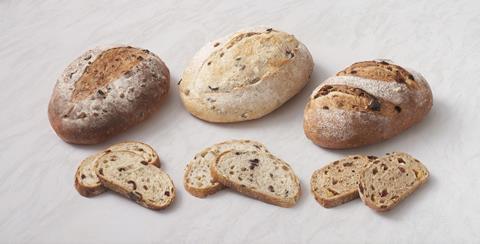
The speciality bread market is rising fast, now valued at £190m and up 12% year on year1. Purchased by nearly one in five UK households2, speciality bread has evolved from an occasional indulgence to being more regularly consumed.
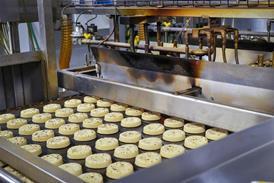
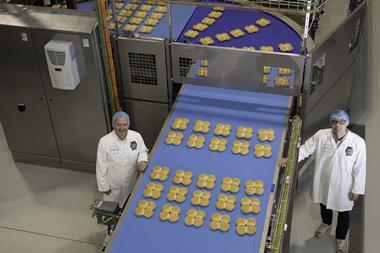
At Lantmännen Unibake UK, we invest in quality and innovation, in line with these dynamic trends. Our state-of-the-art speciality bread line combines our baking heritage with cutting-edge technology to deliver premium quality, consistency and innovation at scale.
From visible fruit pieces to seeds and grains, our speciality breads deliver on quality, flavour, texture, and visual appeal. While our specially developed customer sourdough flavour spectrum goes beyond tradition — from subtle white sourdoughs to nutty browns and full-bodied San Francisco-style tang — they are all produced with consistency and speed.
Visit Lantmännen Unibake UK for more information.
[1] Circana (excl Lidl) 52 w/e 02.08.25
[2] Kantar 52 w/e 23.03.25




No comments yet