










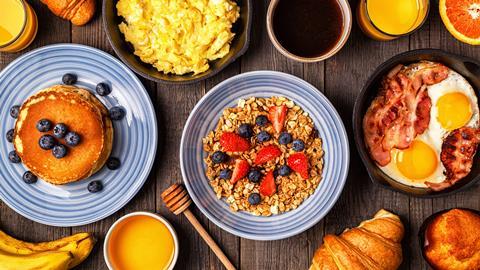
Porridge topped with banana and honey, a bacon butty with brown sauce, a bowl of sugar-topped cereal, or a croissant and coffee – there are endless ways to kick off the morning. But in 2026 the choice for many consumers begins with the question: do I want a healthy or indulgent breakfast?
For operators in the out of home space, it’s a question worth having the answer to by ensuring there are options for those landing on both sides of the decision.
“Breakfast has become one of the most diverse and commercially significant eating occasions, with the greatest opportunity in the day to extend sales,” says Samantha Winsor, marketing manager at frozen bakery specialist Lantmännen Unibake.
“What was once a straightforward morning refuel has extended into multiple behaviour-driven occasions: quick weekday grab-and-go moments, indulgent social brunch and the first opportunity of the day to build in protein and healthier, fibre-boosting ingredients.”
“The breakfast offering in the out of home sector continues to evolve as consumers seek out health, indulgence, speed, and value – often wanting all four at once”
It’s a trend translating into sales as well as Winsor highlights that the average out-of-home breakfast is now worth £16.35, up 33%. This sits firmly within the wider resurgence of food to go (FTG) which Lumina Intelligence forecast would reach £24bn by the end of 2025, a 3.3% increase on 2024.
The breakfast market has been on something of a journey over the past few years. Like many out of home and food-to-go occasions, it was hit hard during the pandemic and the prevalence of working from home in a post-Covid world has reshaped it significantly.
“Hybrid working patterns have flattened the early-morning peak, extending breakfast occasions across a longer time frame, particularly towards mid-morning. Consumers are also increasingly viewing breakfast as a portable, functional part of their day and not necessarily something to eat the moment they wake up,” says Naomi Hemmings, senior marketing manager at Finsbury Food Group.
As the opportunity up for grabs extends to be several hours longer than previously presumed, so do consumer needs.
“The breakfast offering in the out of home sector continues to evolve as consumers seek out health, indulgence, speed, and value – often wanting all four at once,” notes Olivier Briault, pastry chef and development chef for Maple from Canada UK.
Evolving menus for the modern-day consumer
That’s a lot of things to balance in one meal. So, what does this look like in practice? How are operators revamping their menus and where do traditional bakery offerings which have dominated breakfast in the out of home space for so many years fit in?
“In the grab and go category we are seeing a move towards breakfast products that offer a health benefit – think functional oats, protein-boosted granola bars and smoothies for example,” notes Jacqui Passmore, marketing lead West EU & AMEAP at Dawn Foods.
Indeed, some operators, even traditional craft bakeries, are branching out of the usual bakery fare into the likes of oat & yoghurt pots to capture this market. East Midlands bakery chain Birds, for example, has a Raspberry & Pumpkin Seed Overnight Oats pot on its menu. Gail’s also has a variety of breakfast pots available including a Blueberry Yoghurt Pot, Mango & Passionfruit Chia Pot, and Apple & Blackcurrant Overnight Oats.

It’s a trend which can also be seen on Pret’s menu with the likes of its Blueberry Balance Bowl, Acai & Almond Butter Bowl, and Bircher Muesli. Notably, the operator also has a hot sausage, baked beans & egg pot as well as a vegetarian version with mushrooms to provide for those looking for cooked breakfasts on the go.
The classic breakfast items – bacon rolls, almond croissants, and so on – are ever present on menus, but the expansion of offerings suggests some consumers are looking for something more.
“Happily, consumers still desire for sweet bakery treats at breakfast – although we are seeing in many cases a blending of breakfast with ‘coffee time’,” Passmore adds. “There’s a shift though towards more health orientated adjustments to indulgent bakes. Bakers are now introducing products such as muffins and cookies made with reduced sugar mixes, for example, with added fruits, nuts and inclusions for a less sweet breakfast choice.”
The combined health moves are likely paying off. Winsor points to data from Kantar which said an extra 604 million breakfasts were chosen because of their health credentials in the past year with increased consumer interest in fibre, gut health and minimally processed bakery formats.
This plays right into the hands of sourdough, speciality breads, and aforementioned muffins but less so pastries, sausage sandwiches, and so on.

However, as Stéphanie Brillouet, marketing & innovation director at baked goods supplier Délifrance says, health won’t trump all needs. “Today’s breakfast consumer is looking for a balance of enjoyment, indulgence and everyday practicality – with taste firmly leading the agenda. Breakfast may need to fit into busy morning routines, but that doesn’t mean consumers are willing to compromise on flavour or quality,” she adds.
Thankfully, there is still the contrasting trend of indulgence.
“Treat-led categories continue to grow, with Danish pastries and Viennoiserie enjoying YOY volume increases of 11.1% and 6.1% respectively, demonstrating that consumers still want reward and comfort, particularly in the late morning,” says Winsor. “The key shift is that indulgence is becoming more intentional, a conscious moment to enjoy rather than the default way to start the day.”
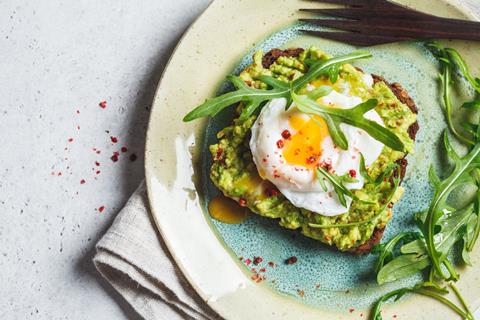
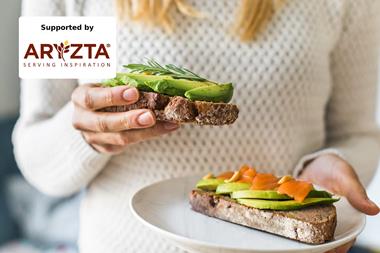
This is even more true when it comes to dine-in occasions as Winsor believes consumers “expect dishes that feel crafted and worth sitting down for”, whether it’s a posh fry-up, avocado on sourdough, a Nordic-inspired cinnamon bun, or a hand-finished pastry with seasonal toppings.
Grey clouds on the horizon
While the health vs indulgence battle rages on, there is another all-consuming threat on the horizon – the cost of living.
“Although spend per visit has increased, sustained pressure on disposable incomes may push some consumers to make savings by preparing breakfast at home, particularly during the working week,” notes Winsor. “If household budgets continue to tighten, this could dampen out-of-home growth despite consumers’ clear appetite for premium and convenient options.”
What’s more, research from Mintel’s ‘UK Breakfast Eating Habits Consumer Report 2025’ found that 38% of people who eat breakfast often skip it – a number which has risen from 33% in 2018. What’s more, this rises to 55% of 16-34-year-olds which the insight firm goes ‘hand in hand’ with higher reported intermittent fasting. Although it’s not shaking up the market just yet, Mintel believes it could pose a growing threat to breakfast food categories over time.
“Skipping breakfast is becoming a more socially normalised behaviour, driven in part by dieting trends such as intermittent fasting and, more recently, the increased uptake of weight-loss medications,” Winsor adds. “The key here is for outlets to add more engagement to their breakfast ranges – from an increased range of healthy options to indulgent treats, appealing grab and go choices and showing how traditional breakfast choices could be eaten later in the day.”
Meal deals mean value
One way operators are trying to entice consumers is through the tried and tested method of meal deals. Often associated with lunches in the classic main-plus-snack-plus-drink format, the deals are extending into the breakfast occasion and growing in complexity as they do so.
“By offering pairing promotions, such as pastry and a drink, meal deals operators can offset potential budgetary barriers,” believes Winsor from Lantmännen Unibake. “It’s the lipstick effect. You maybe can’t afford to go out for a meal as a family of four, but you can afford a morning coffee, especially if there’s a breakfast deal that includes a muffin, for example.”
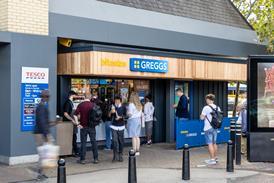
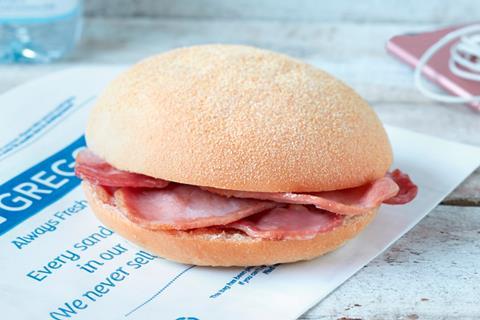
Indeed, most operators have some kind of breakfast meal deal. Greggs, for example, has several options to choose from with additional upgrades. It serves up a breakfast roll with a drink from £3.15, with consumers able to upgrade to a breakfast baguette deal from £4.15. There’s a breakfast roll meal deal, which is the previous deal with the addition of a smooth yoghurt, juicy fruit pot, crispy hash browns, or protein-packed free-range egg pot from £4.15 or £5.30 for the baguette option.
Costa, meanwhile, is serving up a £7.49 meal deal which allows visitors to procure a breakfast bap, coffee, and 250ml Innocent orange or apple juice at its stores before 11am. And in September, Pret announced it was trialling a series of meal deals throughout the day, including a croissant and coffee combo, at 70 of its UK stores.
Notably, many of these options are paired with a hot drink. “Coffee remains a huge part of the morning mission and is often the driver of the purchase, making bakery the perfect accompaniment,” adds Hemmings from Finsbury Food Group.

Even convenience stores and supermarkets, which have found favour with the classic lunchtime meal deal, are looking to capitalise on the breakfast occasion. Late last year Co-op rolled out a breakfast meal deal featuring a hot drink from a Costa Express machine and breakfast roll for £3.50. Prior to this, it added in-store bakery items, such as croissants, as a snack option to its lunchtime meal deal therefore enabling the offer to bridge the two occasions.
This leans into the erosion of the breakfast market by the rise in snacking occasions, according to Hemmings, highlighting how consumers are looking for products which are often higher protein and easy to eat on the move. “Snacking can lend itself better to this than breakfast can. In fact, many are skipping breakfast altogether and reaching for a snack mid-morning instead,” she says.
Sandwiches can fill this gap nicely, believes Brillouet at Délifrance who says they are a key growth driver and are “the number one choice for UK breakfast and brunch”. “Their popularity reflects demand for handheld, filling options that bridge breakfast and brunch, especially as morning eating occasions stretch later into the day,” she notes.
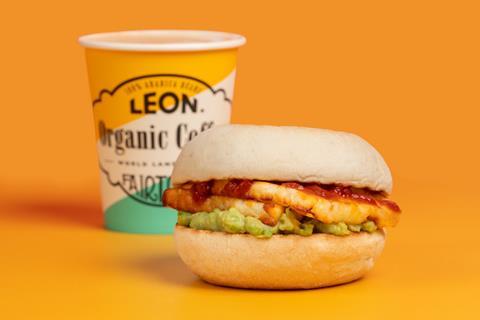
This can be seen on Leon’s breakfast menu, for example, which offers sourdough muffins filled with classic items such as sausage & egg and bacon with more innovative options such as Korean chicken & egg, and halloumi, egg & avocado.
There’s lots of things to consider then when it comes to crafting the perfect breakfast experience – healthier options, indulgent options, great coffee, protein, fibre, and more, all at the right price with excellent service. But for those that get it right, it can prove to be lucrative.
Brillouet sums it up nicely: “With nine out of 10 café and coffee shop customers willing to switch outlets for better food, the opportunity for operators and wholesalers lies in offering a strong mix of trusted bestsellers alongside innovative, eye-catching options that help to stand out in a competitive breakfast market.”





No comments yet