














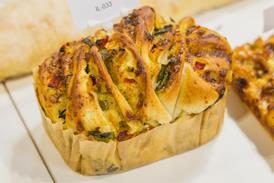

With consumers focused on health & wellness more than ever before, they are turning to foods that enhance their overall wellbeing. So, beyond the realms of multigrain and gluten-free, can breads increasingly be personalised to suit consumers’ individual dietary habits?

Health, dietary preferences and demand for quality are driving consumers towards foods that contribute to their overall wellbeing from the inside out. While speciality breads and bakery have been in the spotlight for some years now, as a way to add flavour, texture and nutrition, interest in the ways that bread, as a staple food, can contribute to overall health has ramped up.
According to Innova Market Insights, in Europe consumers are seeking new sensory experiences from their breads, while “health consciousness is also bleeding into bread purchases, as functional ingredients like protein make it easier than ever to merge wellness with convenience and familiarity”. Bread, says Innova, is now able to meet a broader range of taste expectations, health goals and dietary preferences, with growing diversity in grains, nuts, seeds and functional ingredients that go beyond wheat alone.
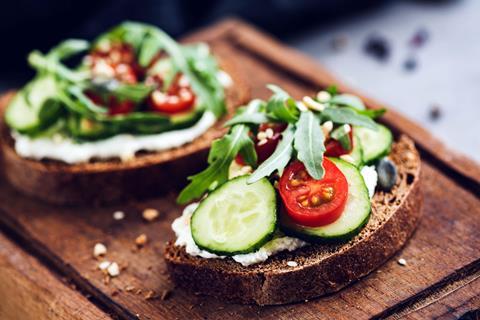
In the UK, meanwhile, Mintel research points to the opportunities surrounding ‘better for you’ cakes and sweet bakes to unlock the breakfast occasion, given growing consumer interest in ‘fibre-maxxing’. While protein-rich foods have been at the forefront of healthy diet development in recent years, fibre is also coming to the fore as a key (and under-consumed) element of consumption intake. According to the NHS, most adults are only eating an average of about 20g of fibre a day, whereas the Government guidelines believe dietary fibre intake should increase to 30g a day. Now, even the likes of Sainsbury’s are waking up to the fibre message, with the retailer pledging to add thousands of tonnes of fibre into UK diets by 2030 and launching new labelling on 500 products to help its customers identify fibre-rich foods.
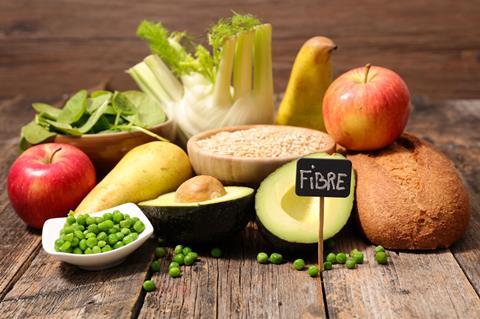
British Baker sister magazine The Grocer, also points to suppliers realising “a major opportunity to help shoppers bridge the ‘fibre gap’” as shoppers consider their digestive wellbeing, and cites Warburtons’ Fibre Fix brand as an example of a bakery range aimed at shoppers seeking to boost their fibre intake.
And the Sourdough School goes one step further, maintaining that everyday bread can be used to transform health and wellbeing. Its recent focus on nutrigenomics points to the interaction between human genes and the nutrients they consume and says personalisation in nutrition acknowledges that no two individuals are the same. “Our genetic profiles, microbiomes and lifestyles all contribute to how we metabolise and respond to the food we eat,” it notes. “Bread, as a staple in many diets, is an excellent starting point for personalisation. Understanding the relationship between bread and our unique biology allows us to craft recipes that support individual health needs, enhance wellbeing, and even act as preventive healthcare.
The School, which runs an in-depth online Diploma in Baking as Lifestyle Medicine, adds: “The thing about bread is that your gut, and your DNA and your lifestyle uniquely determine your relationship with bread. Good bread is nourishing and is a major step in preventative health, bread that doesn’t suit you can be damaging, and contribute to inflammation and lifestyle diseases.”
Finding solutions for bakeries
So how can UK bakers feed into this growing personalisation interest, while still offering products that are commercially viable?
One company that has been considering these trends and recognises bakers will need support in addressing them in the years ahead is Lesaffre UK & Ireland. The company has already been looking at how it can help bakers craft wellness and dietary requirements in breadmaking, and believes the future of bread is being shaped by changing consumer expectations, sustainability goals and innovation, noting that the “bread of the future can contribute significantly to one’s daily nutritional needs and overall health”.
While it acknowledges the growing emphasis on adopting diets tailored to individual needs and personal lifestyle choices, it also highlights that informed consumers are actively seeking solutions that enhance their overall wellbeing, gravitating to foods that not only contribute to physical health, but also possess a ’nutritional edge’ for mental wellbeing.
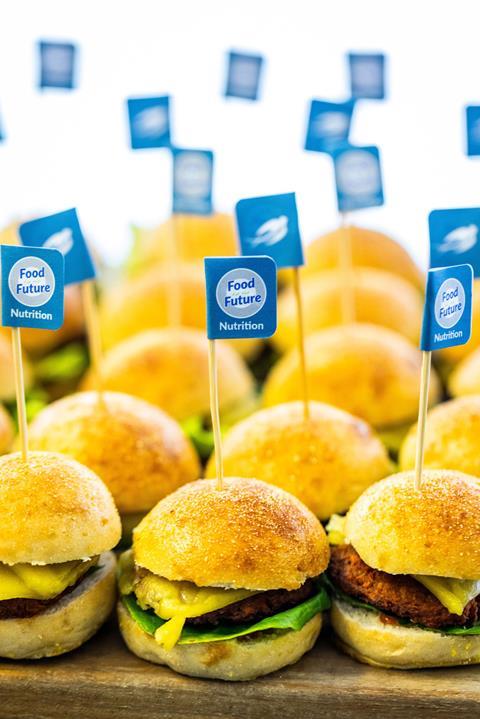
As such, the company has developed a holistic ingredient solution, its Holistic Bread Mix, that can be adapted to any production line and bakery product, such as loaves, burger buns, pizza bases and artisanal breads. Dr. Jonquil Dawson, formulator for Lesaffre UK and Ireland, says: “This Holistic Bread Mix addresses the evolving demands of today’s health-conscious consumers. Crafted with a blend of essential proteins, grains, and natural fibres, this mix not only delivers an exceptional taste and texture but also provides a range of nutritional benefits supporting key health claims such as digestive wellbeing, immune support, and bone strength. It also boasts a high protein and fibre content, as well as a source of calcium, vitamin D, omega-3 and -6, and folic acid, setting standards for the future of bread.”
Forecast growth in personalised nutrition
All the signs point to the need for UK bakeries to keep a keen eye on the rapidly developing personalisation market, as highlighted by the recent boom in diet and nutrition apps: in fact, GrandView Research estimates that the diet and nutrition app market in the UK and Germany reached an estimated $35.1m in 2024 and is forecast to grow by a whopping 18.7% CAGR from 2025 to 2030, as consumers increasingly use smartphones to track their fitness and health.
Keeping one step ahead of these trends will require an approach that supports the development breads and bakery that contribute to holistic wellbeing – and any help along that path must surely be welcomed.
To find out more about how Lesaffre can support your personalised bread development, click here.